
The Raleigh Housing Market Unexpectedly Just SHIFTED
Even in the hottest neighborhoods in Raleigh, there are some homes that are sitting for months while others sell in just days.
This is NOT random.
The rules have changed inside every neighborhood, and most people are missing it. Today, I'm showing you exactly what shifted and why location alone no longer guarantees success. After helping buyers and sellers through this for years, here’s how to avoid the expensive mistakes.

What the Old Rulebook Was
It’s Thursday morning. You list your home in the mid-$500s. By Sunday, you’ve got 5 offers. 3 are above the asking price. Buyers are literally waiving inspections just to compete. That was the old rulebook around here.
In hot markets, sellers could price high and still win. Sellers had all the power. Buyers were offering $20,000 to $30,000 over list price without even thinking twice. Buyers had to move fast, overpay, and give up protections just to stay in the game.
The old strategy was harsh but simple. See a house you like. Make an offer right away. Hope you beat the other 10 families doing the exact same thing. Buyers were writing personal letters to sellers, waiving inspection contingencies, and offering to cover appraisal gaps. That was just how you bought a home in Raleigh’s most competitive neighborhoods.
And here’s what’s wild about the market data from back then - even average homes sold fast. It wasn’t just the fully updated homes flying off the market. Homes that needed work, outdated kitchens, and even places with carpet straight out of 1995, were all selling quickly. Demand was so high that buyers couldn’t afford to be picky.
For years in the hottest areas, sellers had all the leverage. The data proves it. In April 2022, there were just around 800 active listings across the entire Raleigh area. Homes sold in an average of 10 days. More than 70% of homes sold above asking price.
That kind of market created habits and expectations that are now working against both buyers and sellers who haven’t adjusted.
And that leads us straight into the shift that caught everyone off guard.

What Changed
Alright, so over 70% of homes were selling above the asking price. Remember that number from the old market?
Fast forward to today, and things look very different. By mid-2025, far fewer homes were selling above asking price than we saw in the seller’s market of years prior. Most homes are now closing at or below their list price, with recent data showing a list-to-sale ratio around 99%. That’s a full market flip.
The market flipped because buyer behavior changed. And most sellers still haven’t caught up to that new reality.
First, buyers now have way more options. Active listings hit over 5,700 in October 2025. That’s a dramatic increase from the peak seller’s market era. Instead of fighting over a handful of homes, buyers can slow down and actually compare properties. That alone changes how home shopping feels.
Second, monthly payments matter more than the list price. Here’s what that looks like. A home priced in the high $400s at a 7% rate can end up with the same monthly payment as a home in the low $500s when a builder offers a 4.5% rate buydown. Buyers are running the numbers on what they pay each month, not just looking at the price tag.
Third, buyers are comparing homes instead of chasing them. In the old market, if you liked something, you had to move fast or lose it. Now buyers are saying, “Let me see what else is out there”. They’re touring 3 to 5 homes before deciding. And they’re negotiating on price, repairs, and closing costs.
Sellers don’t automatically get urgency anymore. Being in a strong area like North Raleigh or Wake Forest doesn’t mean buyers will rush to make a bid. Homes are now sitting about 56 days on the market, compared to the under-20-day averages we saw before.
But the biggest shift of all is pricing. It has to be based on what’s pending right now, not what sold a year ago.
I see sellers comparing their home to something that sold in spring 2023. That’s how listings end up sitting. You have to look at who’s cutting their price today, right down the street.
The Biggest Internal Disruptor: New Construction
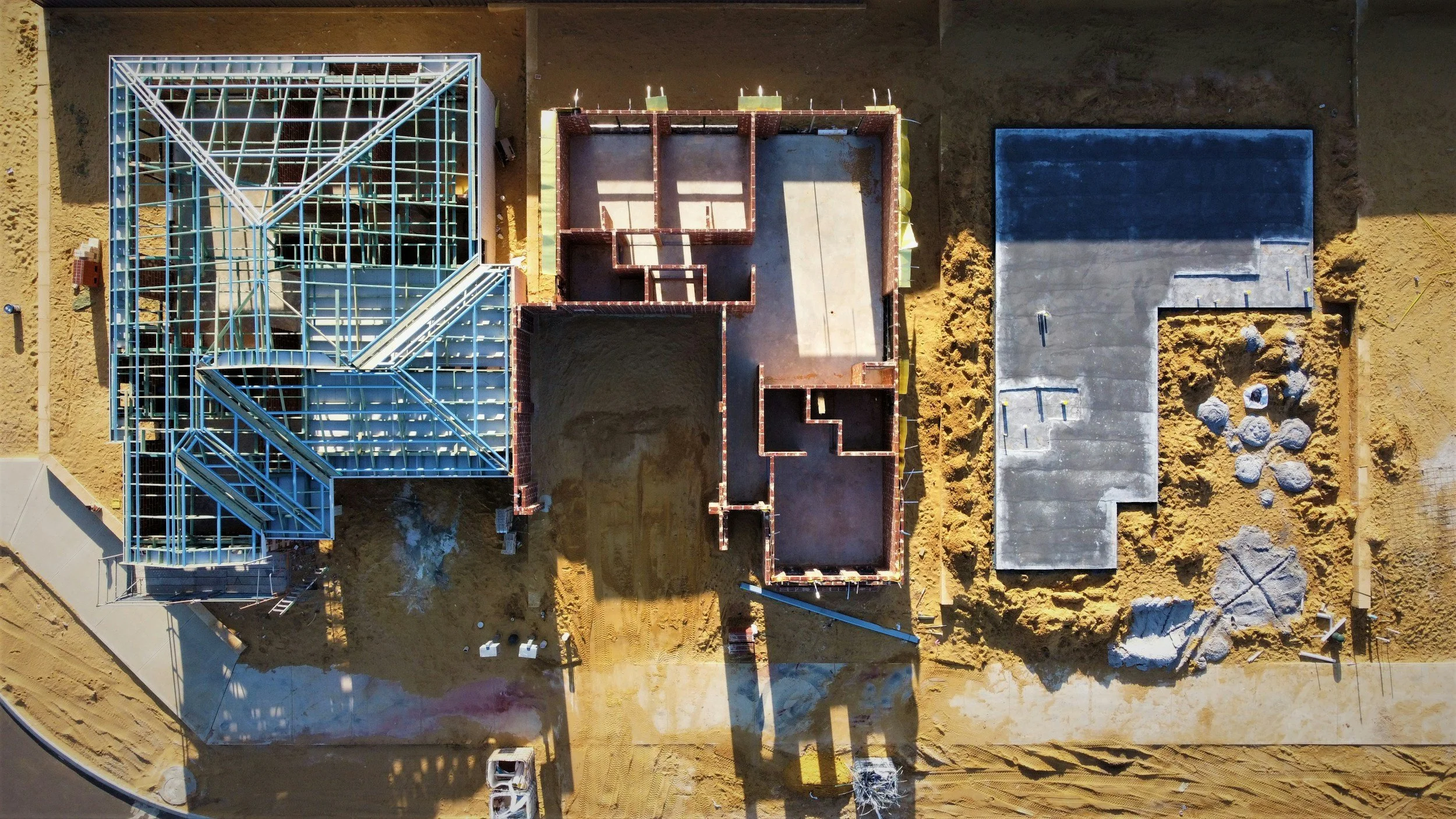
OK, so what if I told you that massive builder incentives are now pretty normal for new construction around here? Not luxury homes. Not million-dollar properties. Regular family homes. That level of builder competition just didn’t exist in the old market. New construction has become the biggest game-changer in the local market. And most people don’t realize how much leverage this gives buyers.
Builders are offering rate buydowns, help with closing costs, and a level of flexibility we didn’t see before. We’re talking about $20,000 to $40,000 in combined incentives. DRB Homes is offering up to $20,000 in Flex Cash that can be used for rate buydowns, closing costs, or design upgrades. New Home Inc. is offering up to $25,000 in combined incentives, plus rates as low as 4.75% through their preferred lenders.
Now, here’s where it really gets interesting. Buyers are now comparing resale homes directly against these incentives. So if you’re selling a resale home in Wake Forest in the mid-$400s, and there’s new construction down the road at the same price with a 2% rate reduction for the first year, which one sounds better to a buyer?
That means resale homes now need sharper pricing or better conditions to compete. And look, resale still has real advantages. Established neighborhoods. Mature trees. More character. Closer proximity to downtown. Those things matter to certain buyers.
New construction is usually farther out because land closer to the city is so expensive.But the reality is that corporate builders have way more room to adjust. They can offer rate buydowns, include appliance packages, cover closing costs, and still make the numbers work.
As a resale seller, you don’t have access to those same tools.
This has hit the luxury resale market especially hard. If you’re sitting on a luxury home built in 2020, you can’t just list it and expect to compete head-to-head with brand-new luxury construction. You have to price below it, because buyers are thinking, “Why choose a 2020 home when I can get something brand new for similar money?”
The data backs this up. Wake County is issuing about 224 residential building permits each month. That’s still not enough to keep up with the roughly 647 households moving into the area every month. But there is enough new inventory to give buyers real alternatives to resale homes.
So with all this competition and all these choices, you might be wondering how any homes are still selling fast. Turns out, there’s a very clear formula.
Why Some Homes Still Sell Fast (Even Now)
Even with all these changes, some homes are still selling very fast. And the formula for making that happen is actually pretty clear.
Winning homes are priced right from day 1. They look at today’s market, not what happened in 2022, and price based on current conditions. Homes priced in the low to mid $400s in desirable neighborhoods that match today’s market are still selling within a month. The data backs it up. Homes that sell within 30 days get about 99% of their asking price.
They’re also clean, updated, and easy for buyers. And buyers have made this very clear. They don’t want projects anymore. Buyers used to say, “We can paint, we can pick our own flooring.” That mindset is gone. Buyers just want to move in. Fresh paint goes a long way. Replacing worn flooring, or at least refinishing it, makes a big difference. Move-in-ready wins almost every time. That doesn’t mean you need a full renovation. Buyers just want to say, “Okay, maybe we'll update this later, but it works right now.”
Homes with modern features, better energy efficiency, and smart home tech are the ones pulling in multiple offers.These homes also don’t have better options nearby. This part matters a lot. If you’re the nicest home on the block and there’s nothing similar within walking distance, you’ll still get strong offers. But if there are 3 similar homes for sale nearby, you need to be priced as the best value.
Marketing and presentation matter much more now, too. Professional staging, virtual tours, and targeted exposure can cut days on market fast. In a market where buyers have options, first impressions decide whether someone even books a showing.
And here’s something sellers usually underestimate: homes that are easy to show are beating homes that aren’t. If a buyer wants to see your home and keeps hearing, “We’re busy, that time doesn’t work, we’ll be eating dinner,” they just move on to another listing.
The sellers who are winning understand the new rules. But for every home that adapts, there are plenty that don’t. And the market doesn’t wait long to punish those mistakes.

Why Other Homes Stall (Even in Hot Areas)
Here's the thing. 75% of active listings have been sitting unsold for over a month. That’s happening even in strong areas like North Raleigh and Wake Forest. That’s 3 out of every 4 homes on the market right now. So what’s actually going wrong with these properties?
Homes that are sitting, even in traditionally strong areas, tend to make the same mistakes again and again. They’re priced based on peak expectations. I see this all the time. Sellers look at what their neighbor got in March 2022 and think, “My house is nicer, so I should get even more.” But that’s not how today’s market works. A lot of these homes are still priced for a market that no longer exists.
They also need updates that buyers don’t want to take on anymore. With more inventory available, buyers are much less willing to take on big repairs. Homes that need modern updates or serious work just sit, while move-in-ready homes in the same neighborhoods sell fast.
They’re also competing against better options and losing. This happens when there are several similar homes for sale, or when new construction nearby offers better value. Areas like Wake Forest, Fuquay Varina, and parts of Durham are seeing intense competition between resale homes and new builds. Overpriced resale homes lose that comparison almost every time.
Some sellers are also making it hard to show their homes. I get it, living in a house while people tour it isn’t fun. But the harder a home is to show, the harder it is to sell. If agents can’t get access, if showing times are limited to tiny windows, or if buyers have to jump through hoops just to see the home, they usually move on.
There are simply too many other choices.
About half of the listings that sit past 30 days have already cut their price. The ones that haven’t are usually the ones still sitting there.
Understanding these patterns matters because the opportunities and challenges look very different depending on which side of the deal you’re on.
What This Means Right Now
We’ve got months of supply now, with inventory still rising. Compare that to the less than 10 days of supply we saw in 2022.
For buyers, this is honestly the best market we’ve seen in years. But you still need a plan. Strong markets still require you to be ready. Even with more choices and less competition, the good homes that are priced correctly still move fast. You need a solid financing pre-approval. You need to know which neighborhoods you’re targeting. And you still need to make decisions fairly quickly when the right home shows up.
But now you have leverage in the right situations. With 2.4 months of supply and inventory climbing, buyers can negotiate closing costs, rate buydowns, and price reductions. In particular, homes in the $500,000 range in Raleigh have more flexibility, with greater selection and slightly longer time on market, giving buyers more room to compare options.
Strategy matters more than speed alone. Instead of rushing to write offers on everything you see, you can slow down and be smart. Compare resale homes to new construction incentives. Look at how the monthly payment feels, not just the list price. Use that 34 to 56-day average time on market to do your homework. Builder incentives also give you real options. We’re seeing major savings on new construction, lower interest rates, and move-in-ready homes. That’s real money buyers can use as leverage, especially when negotiating with resale sellers.
For sellers, the biggest takeaway is being realistic about today’s market. Location by itself won’t save you anymore. Being in North Raleigh, Wake Forest, or Cary isn’t enough on its own. You’re competing now, not being carried by demand. You need to know what similar homes in your area are doing. Which ones are selling, which ones are sitting, and why.
Pricing and prep matter again. Competitive pricing means pricing based on current comps, not peaks from 2 years ago. And investing in presentations through professional staging and virtual tours isn’t optional anymore. It’s a key part of selling quickly.
Flexibility is critical. Being open to negotiating on price, terms, and repairs matters more than ever. Sellers who stay rigid are the ones watching their homes sit, while similar homes with flexibility are getting multiple offers.
Use current data, not old data. Stop focusing on what sold last spring. Look at what went pending last week. Look at what new construction nearby is offering. Your price has to compete in today’s market, not yesterday’s.
These new market rules create real opportunities for people who understand them, and expensive mistakes for those who don’t.

At the end of the day, understanding these rule changes is what separates those who are getting the deals in this market from those who aren’t.
If you’re ready to make a move in this shifted market and want guidance from someone who knows what’s working right now, email me at alley@alleycohomes.com today. I’m helping people succeed with these new rules every single day.
And if you want to learn more about which neighborhoods in Raleigh are right for you, take my neighborhood matchmaker quiz!
