
Raleigh, NC Will Thrive Over The Next Decade & Here’s Why.
Most cities either grow too fast and run into problems, or they slow down and get stuck. But Raleigh's doing something DIFFERENT.
Today I'm going to explain the 5 big advantages that keep building on each other, and why they're going to make Raleigh the city everyone's watching for the next 10 years.
If you're thinking about moving here or buying property, the numbers behind this are seriously wild.
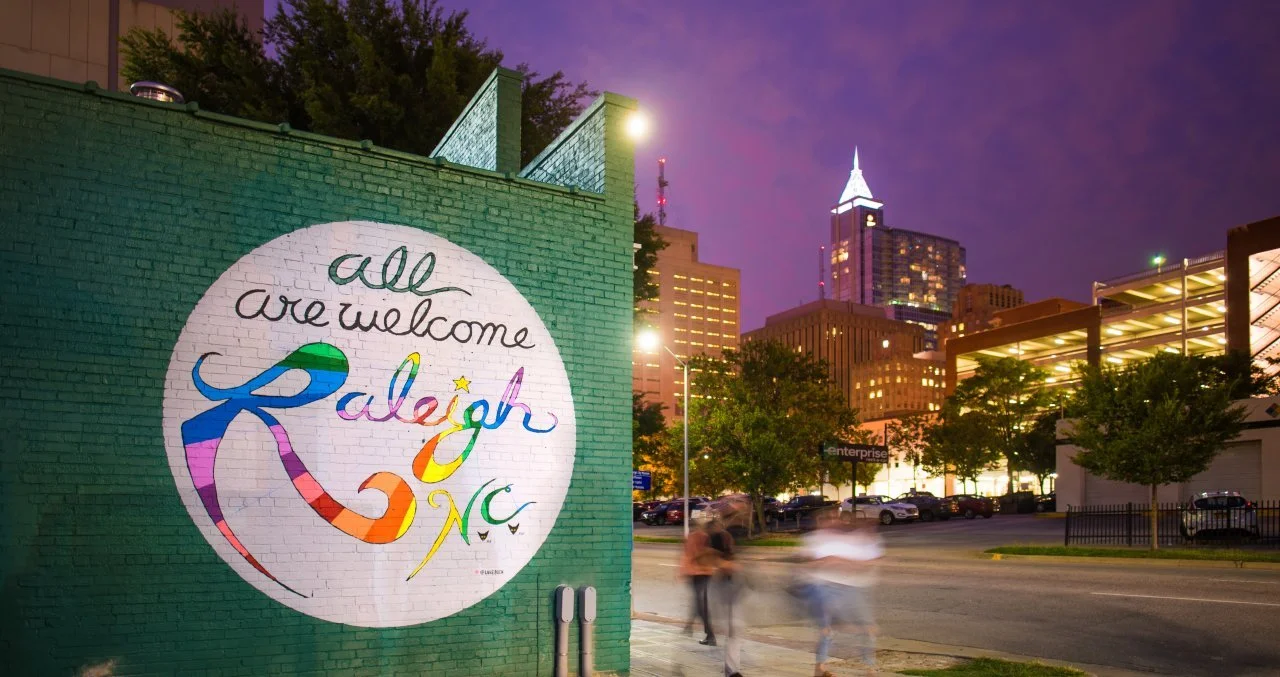
1. Raleigh Sits at the Center of a Powerful Job Engine
$25.1 billion a year. That's how much money just ONE employment zone is creating in Raleigh right now. That's 3.5% of North Carolina's entire GDP, and it's coming from one concentrated employment zone.
The Research Triangle is not just a catchy phrase. It's one of the most steady job makers in the whole country. Research Triangle Park has 55,000 workers across more than 385 companies, spread out over 7,000 acres, and it creates that huge economic value we just talked about.
And this isn't some "maybe someday" kind of growth. This is real, proven output that keeps getting bigger.
Raleigh led North Carolina in job growth with a 2.5% jump in the 2nd quarter of 2024, and it beat the national average by a lot.
The region added almost 39,000 tech jobs, which is a 62.3% increase, making it the 2nd fastest growing tech hub in the nation.
The tech workforce grew 17.9%, putting Raleigh at 6th among U.S. tech hubs, with median salaries reaching around $122,000 and top earners going past $150,000.
But here's why that matters for real estate.
High paying jobs create strong housing demand that lasts.
When your jobs are mostly in things like knowledge work, biotech, and advanced manufacturing, the people who work there are more likely to stay. But these aren't jobs that disappear overnight. These are careers that keep people here even when the economy gets shaky. And the companies making billion dollar moves prove it.
Apple bought 281 acres in Research Triangle Park and secured incentives to create up to 3,000 jobs with an average salary of $187,001, which is almost 3 times the average wage in Wake County.
The campus is focused on machine learning, artificial intelligence, and software engineering. However, Apple has delayed construction timelines and currently operates from leased office space in Cary while planning for future major campus development.
Wolfspeed's $5 billion silicon carbide facility in Chatham County opened production in 2025, and it's now fully staffed with production underway. The plant is 2.2 million square feet, and it'll employ 1,800 people in the coming years, making key parts for electric vehicles and renewable energy systems.
Fujifilm Diosynth Biotechnologies expanded in Holly Springs with a $1.2 billion investment, adding 680 jobs with an average salary of $109,923, which is 46% higher than Wake County's average.
That also brings Fujifilm's total North Carolina investment to $3.2 billion since 2021, and it helps lock the region in as North America's largest end to end biopharmaceutical manufacturing center.
Biogen announced a $2 billion investment in Research Triangle Park in July 2025, positioning as one of RTP's biggest employers with more than 1,500 workers. The company has now invested around $10 billion in North Carolina since 1995.
(And I'm saving the infrastructure part for later, because what's happening there is going to change the city for good. Stick around.)
Now, Google's Durham Cloud Engineering Hub is bringing more than 1,000 jobs, with starting engineer salaries ranging from the low $160,000s to the mid $170,000s. That makes it one of Google's top 5 engineering centers in the United States.
Novo Nordisk announced a $4.1 billion investment in its Clayton campus in 2024, adding 1,000 jobs to its current 2,500 employees across North Carolina facilities.
Now here's the multiplier effect.
Every high wage job supports more jobs in things like services, retail, healthcare, and education. RTP creates $4.4 billion in economic value for Wake County alone, and that supports 27,600 jobs beyond the people who work directly in the park. Across the whole state, RTP supports 142,500 total jobs.
So when Apple brings 3,000 engineers making 6 figures, you're not just adding 3,000 households. You're also adding coffee shops, gyms, restaurants, daycare centers, medical offices, and the whole support system that high income workers need.
Strong, diverse, high paying jobs create housing demand that holds up through economic cycles. When your workforce is built around specialized industries with high skill requirements, people don't just come, they stay.
And here's where it gets really interesting, that job foundation is being matched by something you don't usually see in fast growing cities: infrastructure money that's actually being spent before everything breaks.
Quick note before we go deeper: If you're thinking about moving to Raleigh and you want to see how this job growth connects to the right neighborhood for you, I help people understand this market every day. My contact info is below. Don't hesitate to reach out.
2. Major Developments Are Reshaping the City
Raleigh isn't simply crossing its fingers and hoping growth works out. It's building the roads, housing, and spaces to handle it right now.
You've got cranes in the air, concrete getting poured, and buildings rising up fast. The city is seriously changing how people live, work, and get around, and that matters because money follows real construction, not promises.
So let's talk about what's actually going on.
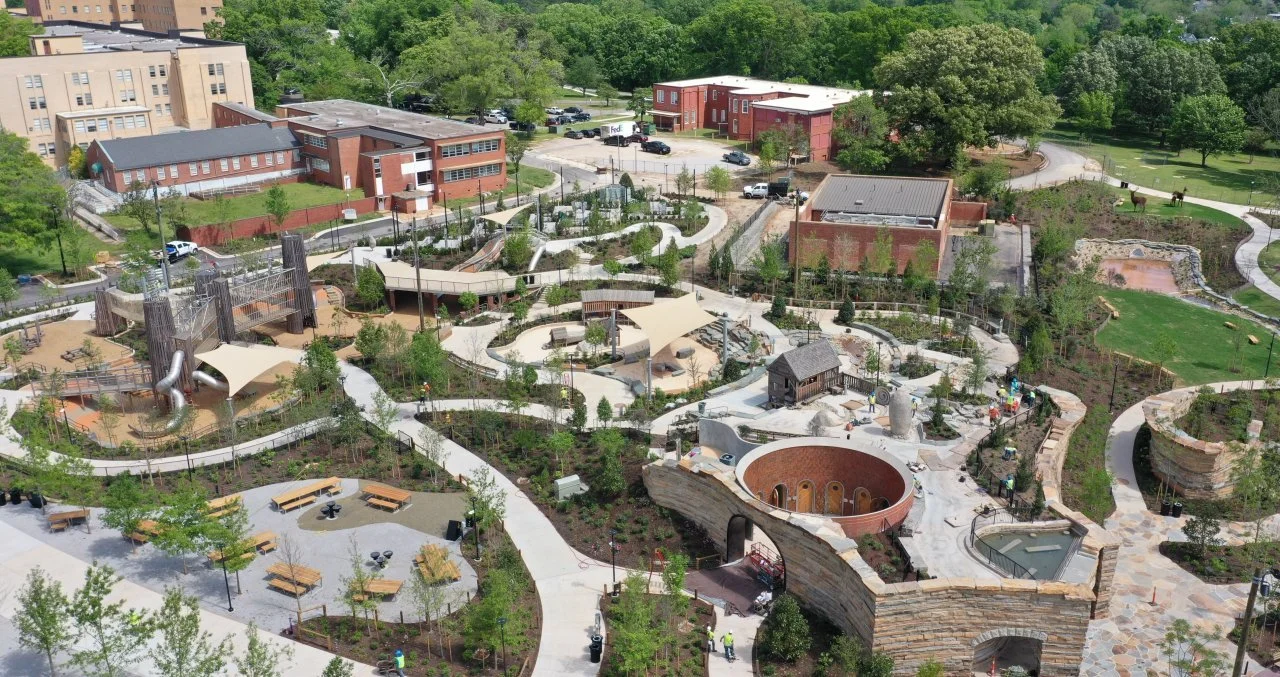
Dix Park area projects are changing the whole southern entrance to Raleigh. Rockway Raleigh opened in spring 2025 with more than 300 apartments right at the entrance to Dix Park on the Rocky Branch Greenway.
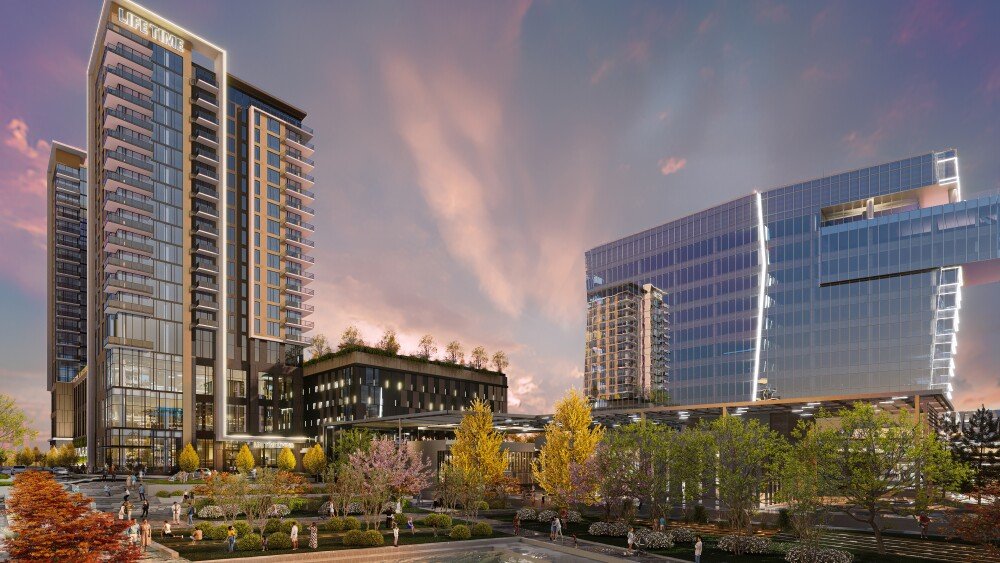
The Weld is a $700 million mixed use project with 2 towers that are 20 stories tall, delivering more than 600 apartments and retail and restaurant space at street level. All of that is part of the more than $700 million being built right next to Dix Park.
Dix Park itself opened the Gipson Play Plaza in June 2025, which is a huge adventure playground with sensory mazes, water play, climbing towers, and art installations. This is the first major project in the Master Plan for what's eventually going to be 308 acres of upgraded city park space.
On top of that, Rocky Branch Creek restoration is going to improve habitats for wildlife, and there's also a plan to reuse a nearby landfill area for park features and sports fields.
North Hills Innovation District is another big one. It covers 33 acres in Midtown Raleigh, and it's bringing in office towers, life science labs, housing, and retail that's focused only on local businesses. The Strand is a 20 story mixed use tower that adds 362 apartments, plus restaurants and green space.
Altogether, the full area has more than 1,500 residences in different stages, and a lot of it is expected to wrap up in 2025 and 2026.
(Also, stay with me, because the numbers showing how Raleigh can actually handle this growth are coming up. I'll get there in a minute.)
Then there's HUB RTP, which is building the 1st real urban center inside Research Triangle Park. The Horseshoe development is bringing 160,000 square feet of mixed use space with offices, retail, restaurants, and lab facilities, and it's opening in 2025.
That's a major shift, because RTP is changing from a suburban research campus into a walkable district with more things to do.
And downtown Raleigh is going vertical too. The Highline Glenwood tower broke ground in fall 2025 and is planned to be 37 stories, making it Raleigh's tallest residential building with completion expected in 2028. The city is also building a new municipal tower that's 17 stories near Nash Square, and it's supposed to bring city workers in by 2026.
Union West is adding 400 apartments on top of a new bus station, and that's expected to finish in 2026.
Downtown going taller is a big deal. But having space to grow both upward and outward is the real advantage.
So why does all this matter?
These projects aren't for looks. They permanently change how people live, work, and move through the city. Building around transit, greenways, and future commuter rail makes neighborhoods more walkable, more mixed use, and less dependent on cars, which usually means better quality of life.
And here's the thing, developers don't spend hundreds of millions of dollars just guessing. They're looking at the same data we are. They see the job growth, the population increase, and the big company investments. They're betting that Raleigh's rise is real.
Real infrastructure creates real value that people feel every day. But here's what makes this growth even more sustainable, it's also about who's choosing to move to Raleigh.
3. Population Growth Is Structural, Not Trendy
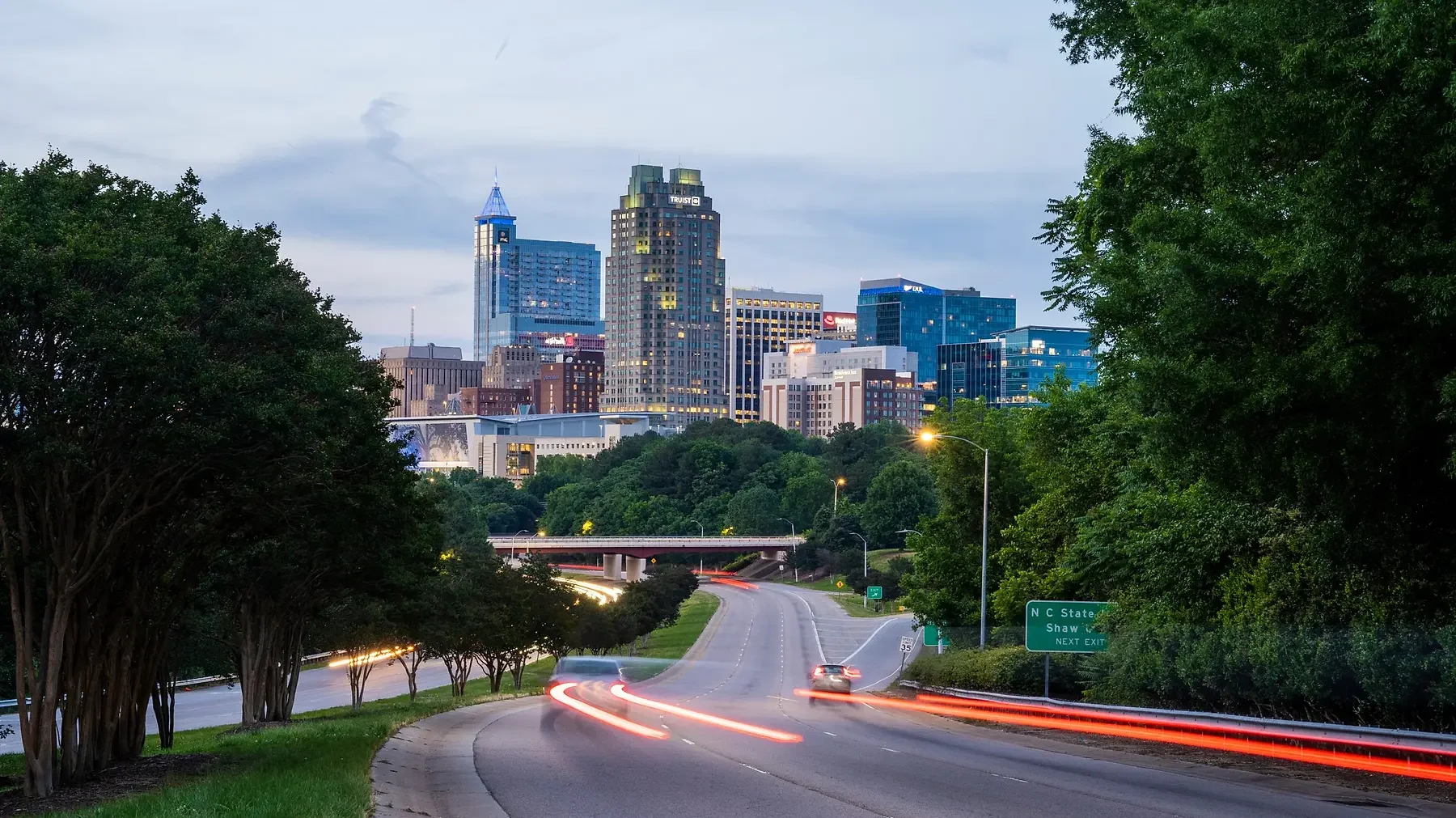
Half a million people now live in Raleigh. That's a huge milestone Raleigh hit in 2024, and only 38 cities in the entire U.S. have gotten to that point.
But here's what makes Raleigh different from cities that get a big population wave and then crash later.
Raleigh passed 500,000 residents by July 2024. Since April 2020, it added 33,000 people, which was the 19th biggest population gain out of all U.S. cities. And the Raleigh metro area grew by 10.2% since 2020, reaching about 1.6 million people.
And Raleigh isn't depending on just one type of person moving in. It's pulling in young professionals who want tech and research jobs. It's bringing in families who want great schools and more affordable living.
It's attracting empty nesters leaving expensive northern cities. And it's also getting retirees who like the mild climate and want good healthcare nearby.
That mix matters a lot because it creates housing demand for everything. You've got demand for starter homes, bigger move up homes, and smaller downsizing homes too. That's the healthiest kind of growth, because you're not depending on one group that could disappear if the economy changes or if that age group moves on.
And the suburbs around Raleigh are growing like crazy. Wendell grew 73% between 2020 and 2024 and added more than 7,000 people. Angier grew 46%, Zebulon grew 33%, and Fuquay Varina grew 29% with 10,000 new residents. Wake Forest grew 23% with 11,000 new residents, and Apex added another 11,000 people too.
This suburban growth helps take the pressure off the main city while keeping Raleigh comfortable and livable. You're not forcing everyone into downtown and overloading roads and services. Instead, growth spreads out across several places, and each one has its own schools, shops, parks, and its own feel.
International migration is a big part of this too. The Raleigh metro has been bringing in a strong share of new residents from other countries, which shows how much global talent is being pulled in by research schools, big companies, and overall quality of life.
So you've got engineers coming from California, families coming from New York, retirees coming from New Jersey, and researchers coming from Europe and Asia. They're all choosing Raleigh for different reasons, but they're creating the same result, which is steady demand for housing.
This isn't just a trend. This is a long term shift.
And unlike cities that run out of space and get so expensive that workers can't afford to live there, Raleigh still has something most cities lost a long time ago. It has the flexibility to grow in a way that stays healthy instead of turning into a mess.
4. Raleigh Still Has Room to Expand Without Breaking
Here's where Raleigh has a huge advantage over a lot of coastal cities.
Unlike places that are trapped by water or mountains, Raleigh can grow outward and inward without running into hard limits. That flexibility helps stop the crazy price spikes you see when demand rises but housing supply can't keep up.
Right now, Raleigh covers about 93,000 acres inside the city limits. On top of that, it has another 22,000 acres in its extra territorial jurisdiction, plus 19,000 acres in its Urban Service Area beyond that. And the city has about 41,000 acres still available for future annexation and expansion.
When researchers looked at land capacity, they found there aren't physical barriers stopping Raleigh from reaching 670,000 people by 2030, even just within its current jurisdiction and existing zoning.
Inside the current limits and extra territorial jurisdiction, there are about 16,700 acres of undeveloped land zoned for homes, businesses, and open space. That land could potentially create about 86,000 housing units and around 52 million square feet of non residential development.
And that's not even counting the empty or underused spaces inside older parts of Raleigh, where infill and redevelopment can happen. It also doesn't include zoning changes that could allow higher density.
Raleigh has been doing some of the biggest zoning reforms in North Carolina to make sure housing supply doesn't get squeezed. Before 2021, 55% of Raleigh's land was zoned only for single family homes, which limited the types of housing that could get built.
So Raleigh can handle growth in 2 ways. It can spread outward by building in new areas that can be annexed. And it can grow upward by adding more housing inside the city through infill and higher density in neighborhoods that already exist.
That matters because it gives the city room to respond when demand rises. When a city can't expand, like San Francisco, Boston, or Seattle, prices shoot up fast. Eventually workers get priced out, homelessness gets worse, and companies start thinking about leaving.
Raleigh doesn't have that same problem. The region can take in more people without breaking.
And that usually means steadier home price growth instead of big boom and bust cycles. In 2024, Wake County issued 9,472 residential building permits, and Raleigh issued the most with 1,494. That shows supply is responding to demand, which helps prevent the extreme price jumps that happen when housing gets too tight.
Growth capacity matters because it helps stop the kind of infrastructure failure that turns successful cities into warning stories.
But what really keeps people living here long term isn't just space. It's something even more basic.
5. It Wins the Long-Term Livability Game
You may move somewhere for a job. But you stay because you actually like your life there.
And Raleigh really shines when it comes to the kind of quality of life stuff that matters after the "new city" excitement fades. I'm talking about everyday convenience, fun weekends, and the reasons you're still happy you moved here even 5 years later.
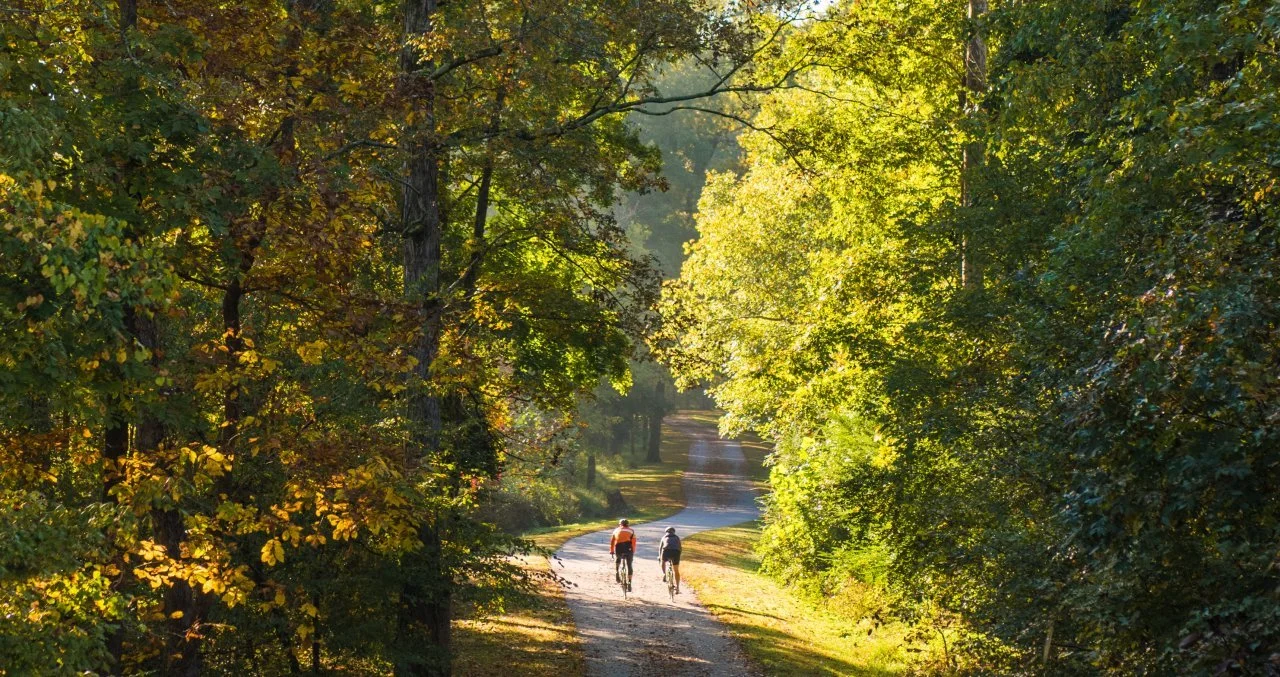
The Capital Area Greenway system is a big part of that. It already stretches more than 112 miles across 3,800 acres, and there are plans to expand it further.
The system has 28 different trails, and people use them for exercise, getting around without a car, and just having real nature close by, which helps mental health and makes the community feel more connected. Big projects like North Hills and Rockway Raleigh are even being built on purpose so they connect directly to the greenway system.
And if you've got a family, schools matter a lot. Wake County Public Schools reported a 93.1% graduation rate over 5 years, and multiple schools earned A or B ratings from the state. Elementary and middle school proficiency levels in reading and math have been rising, with math proficiency reaching 55.4% in grades 3 through 8. And several Wake County schools are ranked among the best in North Carolina.
Commute times are still pretty reasonable too, even with all the growth. The average one way commute is 23.6 minutes, which is shorter than the national average of 26.8 minutes. And Raleigh Cary ranks 3rd highest in the country for work from home workers at 24.5%, which takes even more pressure off traffic for a lot of people.
The climate helps too. Raleigh has a humid subtropical climate with 4 real seasons, and temperatures usually range from 33°F to 89°F. The city averages 218 sunny days per year, which is higher than the national average. And it gets enough rain to keep everything green without the serious drought problems a lot of western cities deal with.
Now here's the money part that connects everything.
Raleigh's cost of living is about 3% below the national average, with housing about 9% cheaper and utilities about 10% less expensive than the U.S. average. At the same time, the median household income is $82,424, which is about 104.95% of the U.S. median.
So people are earning above average salaries while paying below average costs. That gives you extra breathing room, more savings power, and more money left over at the end of the month, which is something a lot of big metros just can't offer.
That balance between income and cost of living helps people stay steady even when the economy slows down, and it helps people build wealth faster when things are going well. Young professionals can buy homes without feeling broke all the time. Families can save for college and retirement. Retirees can make their fixed income stretch further.
Greenways, schools, manageable traffic, a mild climate, a strong job market, and a lower cost of living, this is the kind of stuff that keeps people here long after they move. Not just during the hype, but for decades.
Jobs get people to come. Daily life is what makes them stay. Raleigh gives you both, and that's exactly why the growth we've been talking about isn't some short term trend. It's the start of something that keeps building year after year.
If you want to get yourself in Raleigh before this momentum becomes obvious to everyone else, email me at alley@alleycohomes.com today. I'm working with buyers and investors who can already see what's coming. Don't miss out.
Also, check out the video I linked here where I break down the 5 Raleigh neighborhoods I'd move. It's the perfect video if you want to know exactly where you should focus your search.
