
Raleigh Hits Different Once You Actually Live Here.
I chose Raleigh after living in Texas, suburban D.C., Chicago, Boulder, and a full ten years in New York City.
That was very intentional.
Eight years later, I still feel like I got that call right. So today I want to give you the honest version of what it's actually like to live here. Not the highlight reel, not the "everything is perfect" version. The real one, from someone who unpacked boxes in six different states before landing here for good.
What I Love About Living in Raleigh
The Weather
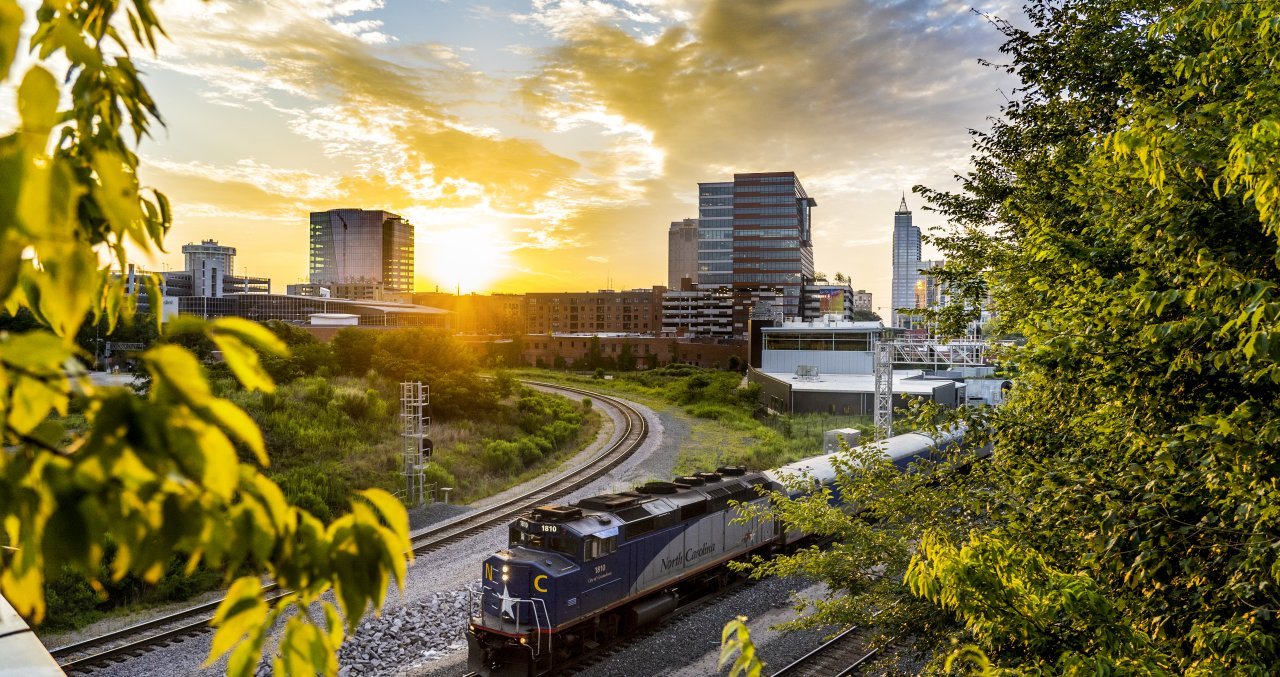
January in Chicago is gray skies, dead trees, and that kind of cold that gets into your bones before you even reach the car. I lived that for years. Then I moved to Raleigh, and January looked completely different.
You still get four real seasons here, which I appreciate more than I expected to. Spring shows up in a big way, with flowering trees, azaleas, dogwoods, the whole production. Summers are warm and humid, sure, but nothing like the Texas heat I grew up with. And winter rarely goes fully gray. Longleaf and loblolly pines line the roads and greenways, so even in the coldest weeks, everything still feels green.
What that means in real life is this: a Saturday in Raleigh might be coffee from a local shop, a run on the greenway, and lunch outside at a brewery. That's genuinely what people here do most weekends, most of the year.
Now, one thing every local deals with: the pollening. From late March into April, yellow pine pollen covers everything. Your car turns yellow. Your porch turns yellow. Your dark jacket turns yellow. It's kind of a rite of passage (nobody warns you, and then suddenly you're the one warning the next person).
But stick with me, because two things are coming up that totally change how you think about Raleigh, including who this city is really great for. You'll want to know about that.
Back to the pollen for a second: NC State says most of that yellow dust is pine pollen, which actually causes fewer allergy problems than oak or grass pollen. So mostly, it just looks dramatic. You rinse the car off and move on with your life.
And speaking of being outside, let me tell you about the trail and park system here, because it deserves its own moment.
The Outdoor Infrastructure
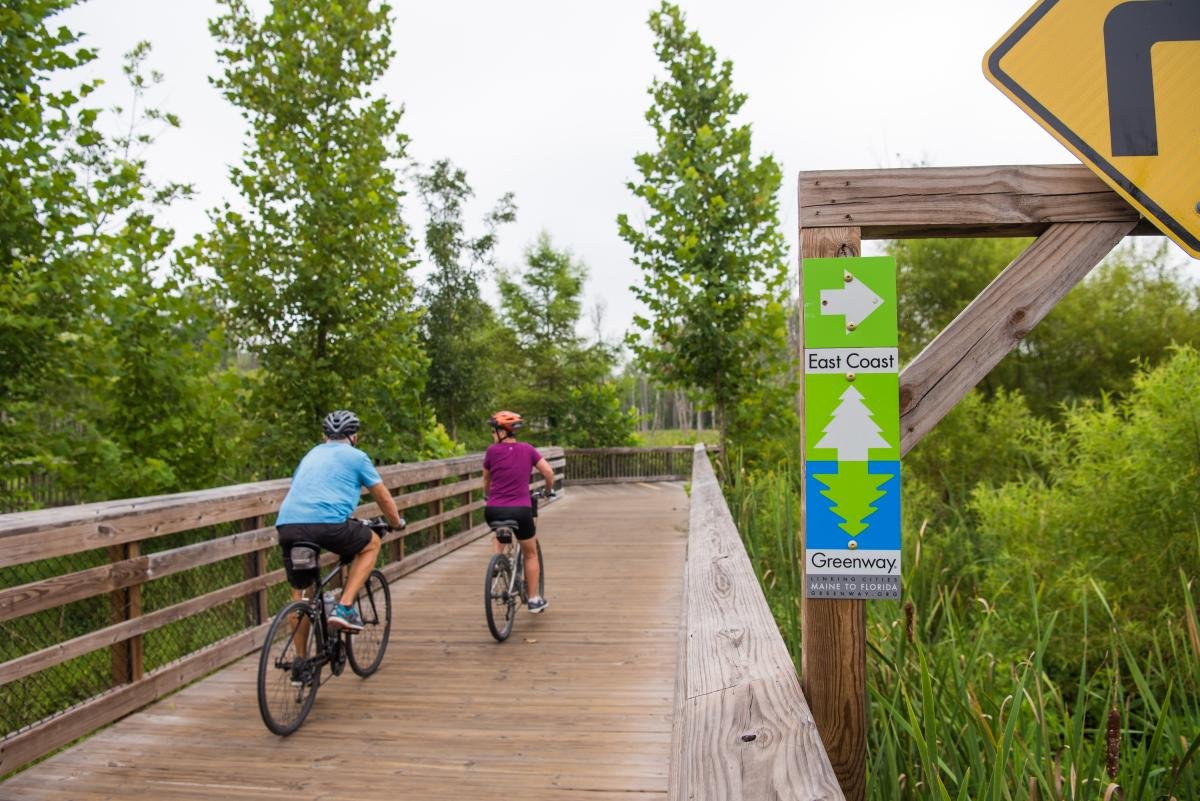
In a lot of cities, your commute and your weekend never overlap. One is a highway, the other is wherever you escape to on Saturday. In Raleigh, they're the same map. The greenway you run on Sunday morning might be the same one someone bikes to work on Monday, and once you notice that, you can't unnotice it.
The Capital Area Greenway System has more than 100 miles of paved trails across almost 30 different routes, and these aren't just trails for fun. They connect neighborhoods, parks, and job centers in a way that means you really can bike to work in parts of the city.
The Neuse River Greenway Trail alone is almost 28 miles long. It crosses suspension bridges and runs through wetlands on the east side of the city. Count all the park trails too, and the whole network is closer to 180 miles.
Then there's William B. Umstead State Park, which is North Carolina's most visited state park. It has more than 5,000 acres of forest sitting right between Raleigh and the airport. Falls Lake is just north of the city, with boating, kayaking, and camping. Lake Johnson and Lake Wheeler are both right in town.
And if you're wondering about the trade-offs, the things that still drive me a little crazy after eight years, don't worry. We're getting there right after I finish gushing about what I love most.
The Job Market
There's a reason people moving to Raleigh aren't just chasing a better lifestyle. A lot of them are ambitious, career-focused, and coming from really competitive cities. Raleigh was ranked the number one best-performing large metro in the country by the 2025 Milken Institute report. In the 2026 rankings, Raleigh-Cary is still sitting at number five, thanks to strong job growth, rising pay, and a huge tech economy.
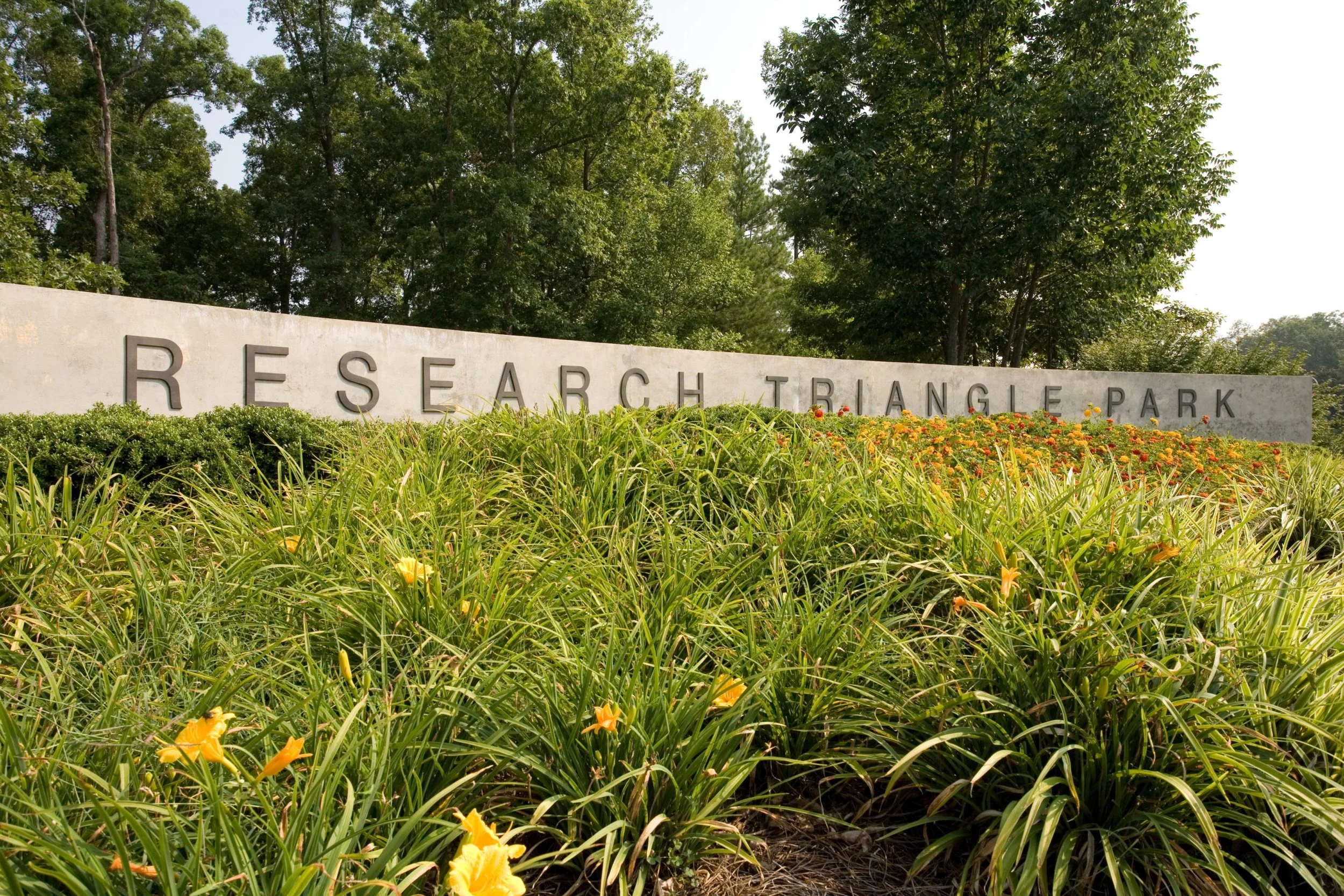
Here's why. A big piece of it is Research Triangle Park, a roughly 7,000-acre business and research hub sitting between North Carolina State University, Duke University, and UNC Chapel Hill. The major employers here aren't small names either: Duke University and Duke Health, the State of North Carolina, WakeMed, IBM, SAS Institute, Cisco, Blue Cross Blue Shield, Pfizer, Fidelity Investments, MetLife, Lenovo, and Red Hat all have a serious presence.
Tech, healthcare, finance, pharma, and education are all strong here, which makes Raleigh a lot more stable when one industry slows down. You're not betting your whole life on one company town.
The Cost of Living vs. the Quality of Life
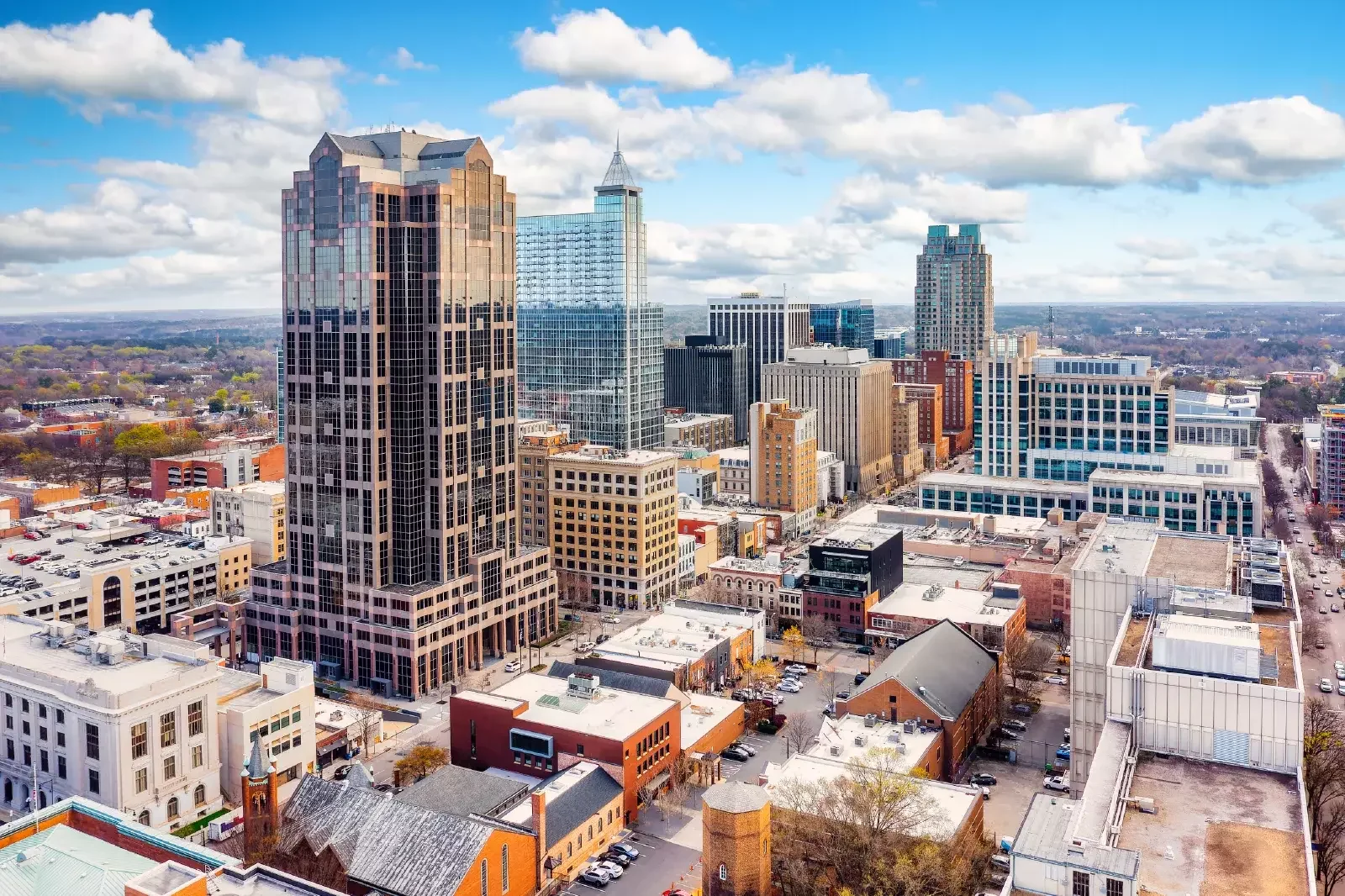
My husband and I have a house in Raleigh that we never would've been able to afford on Long Island or in the Connecticut suburbs. Full stop.
Raleigh is one of the only major tech hubs in the country with a cost of living below the national average. That's a huge reason people keep picking Raleigh over places like Austin, Denver, and Nashville.
I'll say this: there are definitely things Raleigh still gets wrong, and I'll get into those later. The cost of living is absolutely not one of them.
If you're reading this and thinking about moving to Raleigh, helping people move here is what I do every day. If you want help figuring out neighborhoods, understanding what your budget actually gets you, or just talking through the move, reach out to me. My info is at the bottom of this post.
The Culture, a.k.a. a Transplant Town
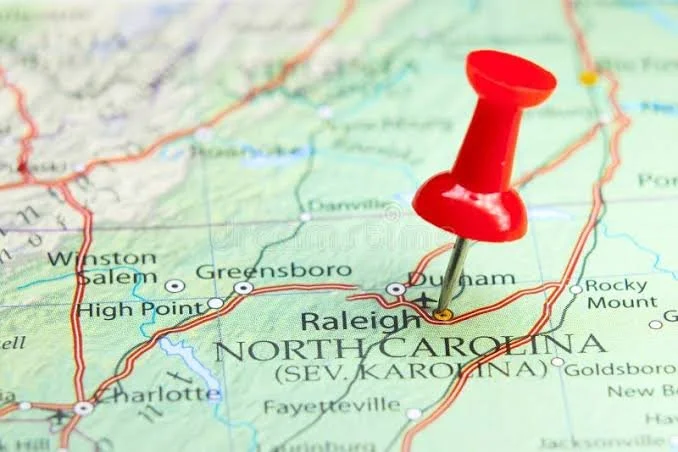
Walk into almost any brewery, coffee shop, or farmers market in Raleigh, and you'll notice something pretty quickly: almost nobody grew up here.
The tech jobs, universities, and healthcare systems bring people from all over the country and all over the world. So what you get is a city that feels very warm. People wave. People hold the door. People talk to you in line for coffee. But it's also really open, because almost everyone here is new too.
Redfin data from the end of 2025 showed the top cities people were moving from were Washington, New York City, Boston, San Francisco, and Los Angeles. These are people who had choices, and they still picked Raleigh. Then there's the music, art, and culture, which honestly deserves its own headline.
Music, Arts, and Culture
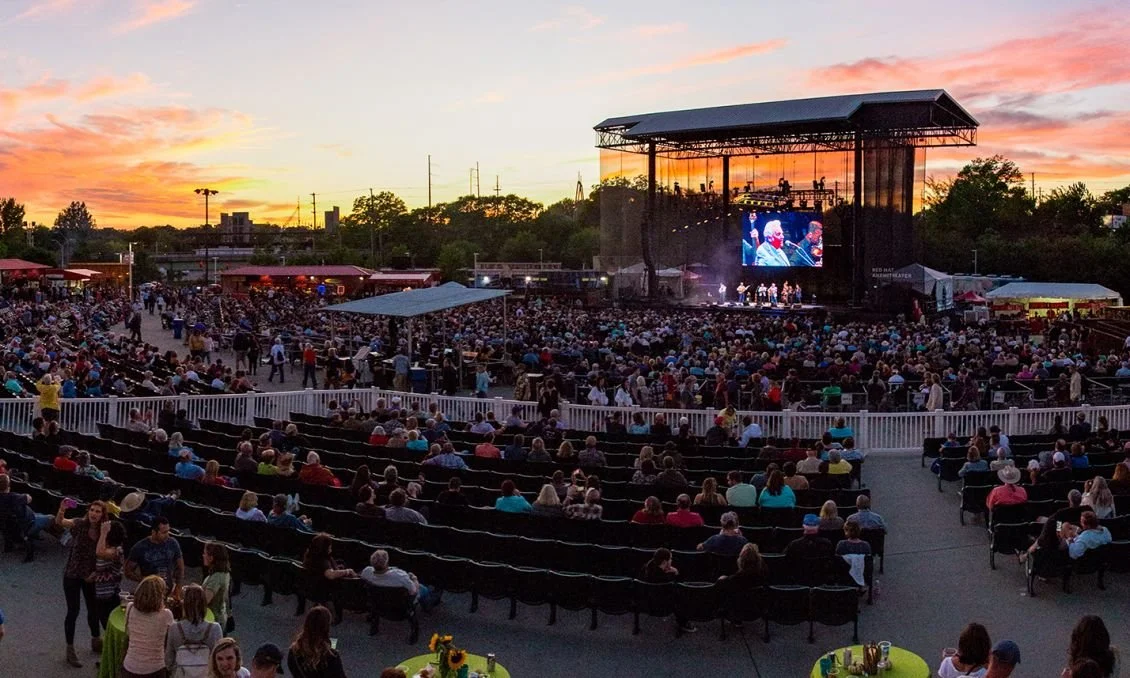
If you think Raleigh is just a couple of decent restaurants and maybe a country music festival, you're in for a surprise.
Hopscotch Music Festival has been around since 2010 and has turned into one of the most respected independent music festivals in the country. You get nationally known artists playing everything from punk and hip hop to electronic music in smaller downtown venues.
Artsplosure has been a Raleigh tradition since 1980. The 2026 festival is happening May 16th and 17th downtown on Fayetteville Street. It's free, features around 175 artists, live music on two stages, and usually draws more than 85,000 people.
There's also the North Carolina Museum of Art. The permanent collection is free, and it has the nation's largest museum art park, 164 acres of sculptures and walking trails. Most people here totally take it for granted (which, honestly, might be the most Raleigh thing I can tell you).
And Glenwood South is really the heartbeat of downtown nightlife. During the day you've got coffee shops and galleries. At night it's bars, restaurants, and one of the biggest beer gardens in the world.
If you're expecting only barbecue and sweet tea, your first month here is going to surprise you in a really good way.
East Coast Access
One thing people don't talk about enough is how easy Raleigh makes it to stay connected to the Northeast.
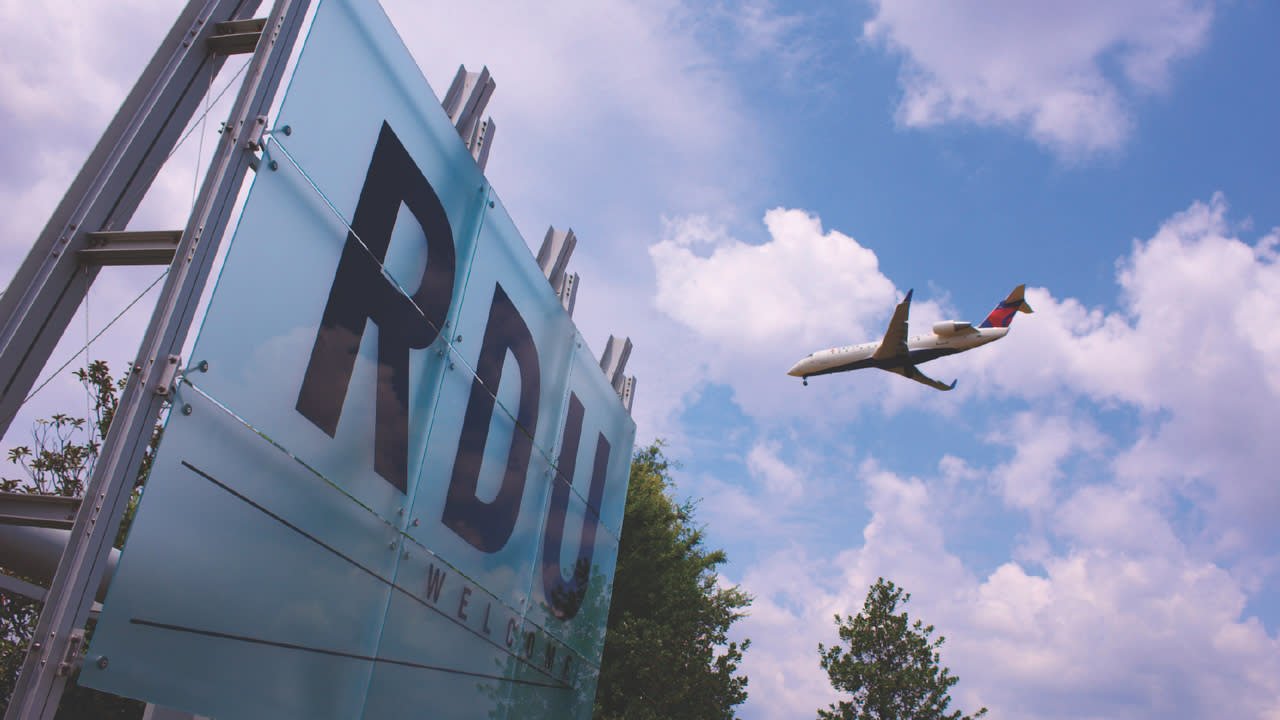
New York City is only about an hour and a half away by direct flight from Raleigh-Durham International Airport. Florida is an easy drive or a quick flight. And if you need to get to Washington, there are two direct Amtrak trains every day from Raleigh Union Station, running roughly six hours each way.
It just feels easier. Like you picked the smarter address, one where you can still get back to New York for a long weekend without turning it into a whole ordeal.
The Healthcare Infrastructure
And the last one on my love list: Raleigh has the kind of healthcare system you'd expect in a city twice this size.
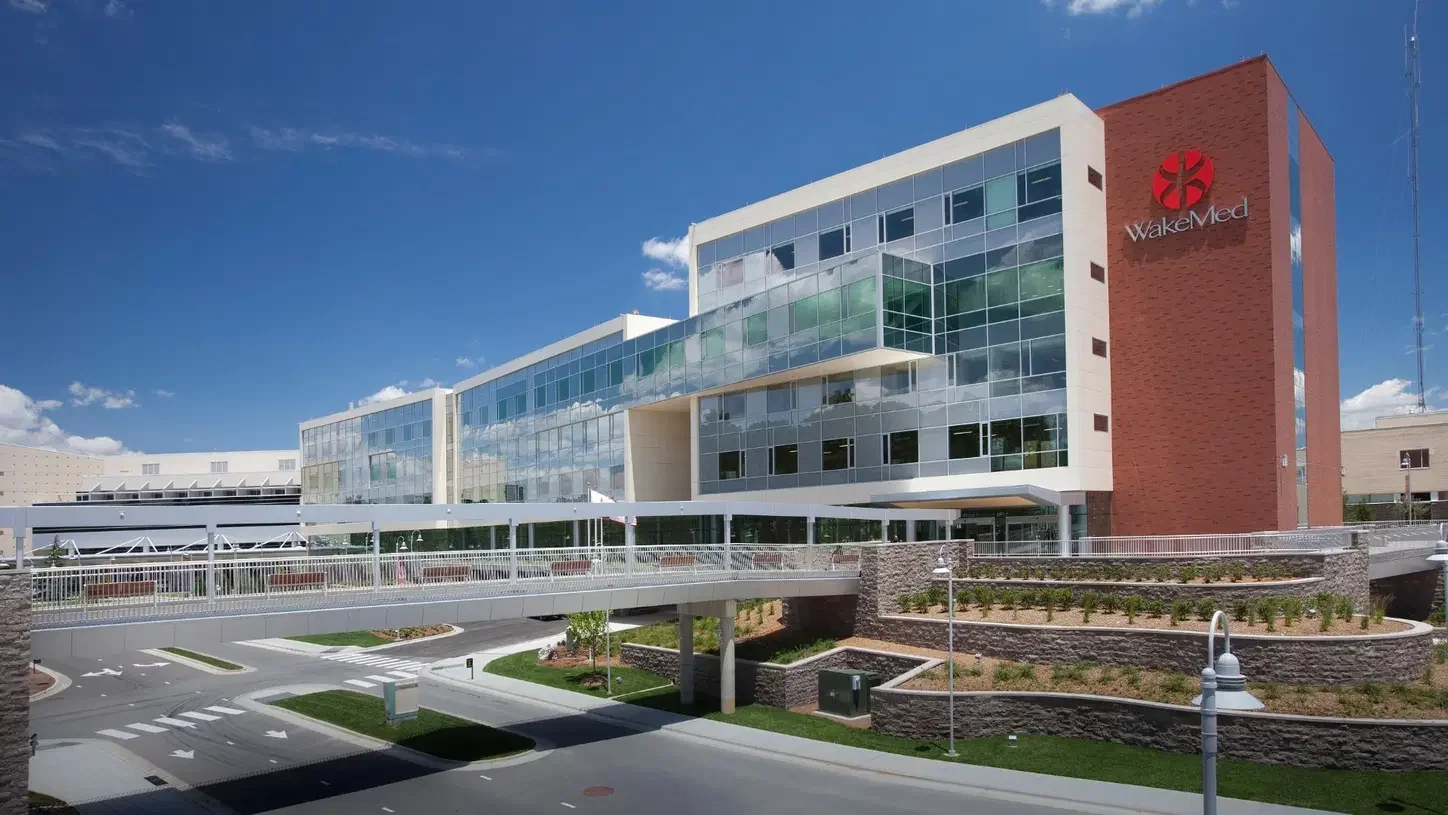
WakeMed has three hospitals, eight emergency departments, a children's hospital, and more than 80 doctor offices around the area. The main Raleigh campus also has one of only seven Level 1 trauma centers in North Carolina. UNC Health Rex anchors the west side of the city, with more than 236 locations across the region. Add in Duke Health in Durham and UNC Medical Center in Chapel Hill, and this is one of the best healthcare regions in the Southeast.
This is going to matter a lot when we get into who Raleigh is really built for. But first, let me be fair and show you the trade-offs too.
What I Dislike About Living in Raleigh
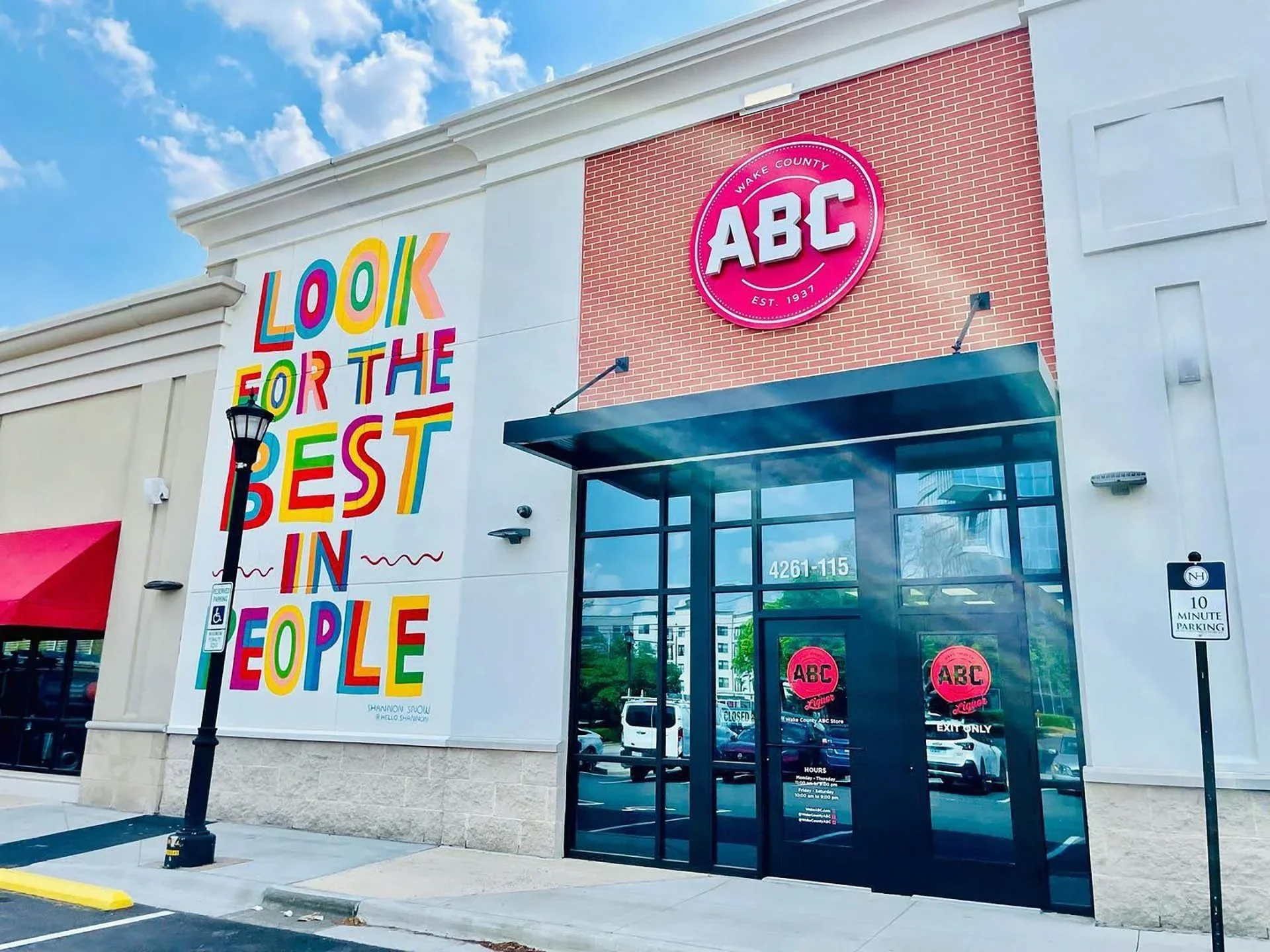
The ABC Store Situation
I promised I'd be completely honest about the things that still drive me a little crazy, so here we go.
Almost every transplant runs into this in the first few weeks, usually on a Sunday afternoon, when you realize a little too late that there's nothing you can do about it.
North Carolina runs liquor stores through the ABC system, which stands for Alcoholic Beverage Control. Hard liquor is only sold in state-run stores, not private ones. I'll say it: the experience has been compared to the DMV, and that's pretty fair. You walk in, you wait, you leave.
ABC stores are closed every Sunday, statewide. You can still buy beer and wine at the grocery store, and you can order a cocktail at a bar, but if you want a bottle of liquor on a Sunday, you're out of luck. There's been talk about allowing Sunday openings, but right now, closed-on-Sunday is still the rule.
The no happy hour rule is real too. North Carolina doesn't allow restaurants and bars to do true happy hour pricing for a limited window, so places get around it with social hours or loyalty programs instead. But if grabbing a cheap drink after work was part of your normal routine in your old city, this definitely takes some getting used to.
The Broader Sunday Culture
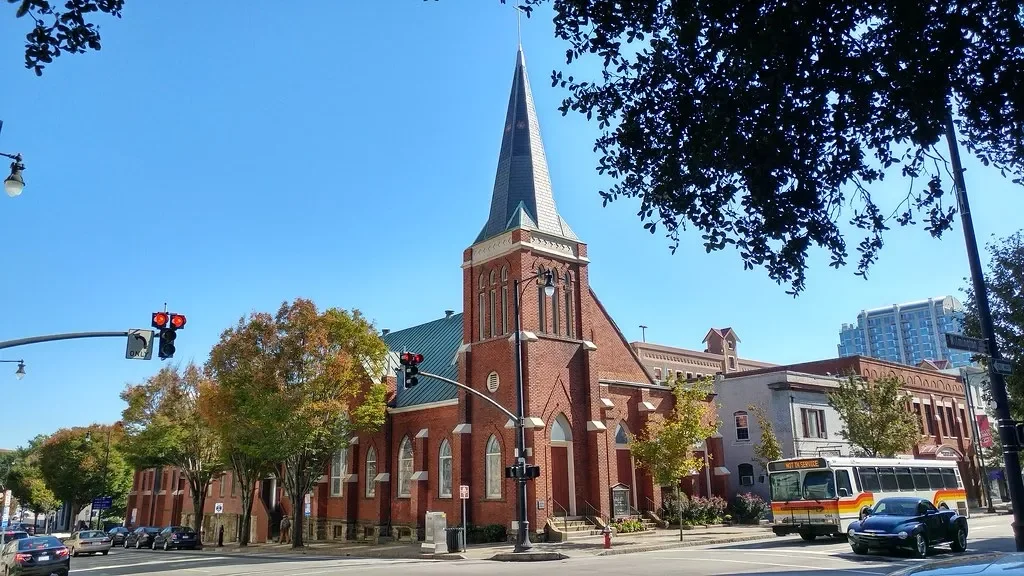
The ABC store thing is really part of a bigger pattern. Raleigh still has more of a traditional Southern Sunday rhythm. Some restaurants, stores, and services close completely or cut their hours way down. This is changing as more people move here and the city keeps growing, but it will catch you off guard at first. You get used to it, but it never totally goes away.
The Luxury Hotel and High-End Retail Gap
Here's another one Raleigh still doesn't do especially well.
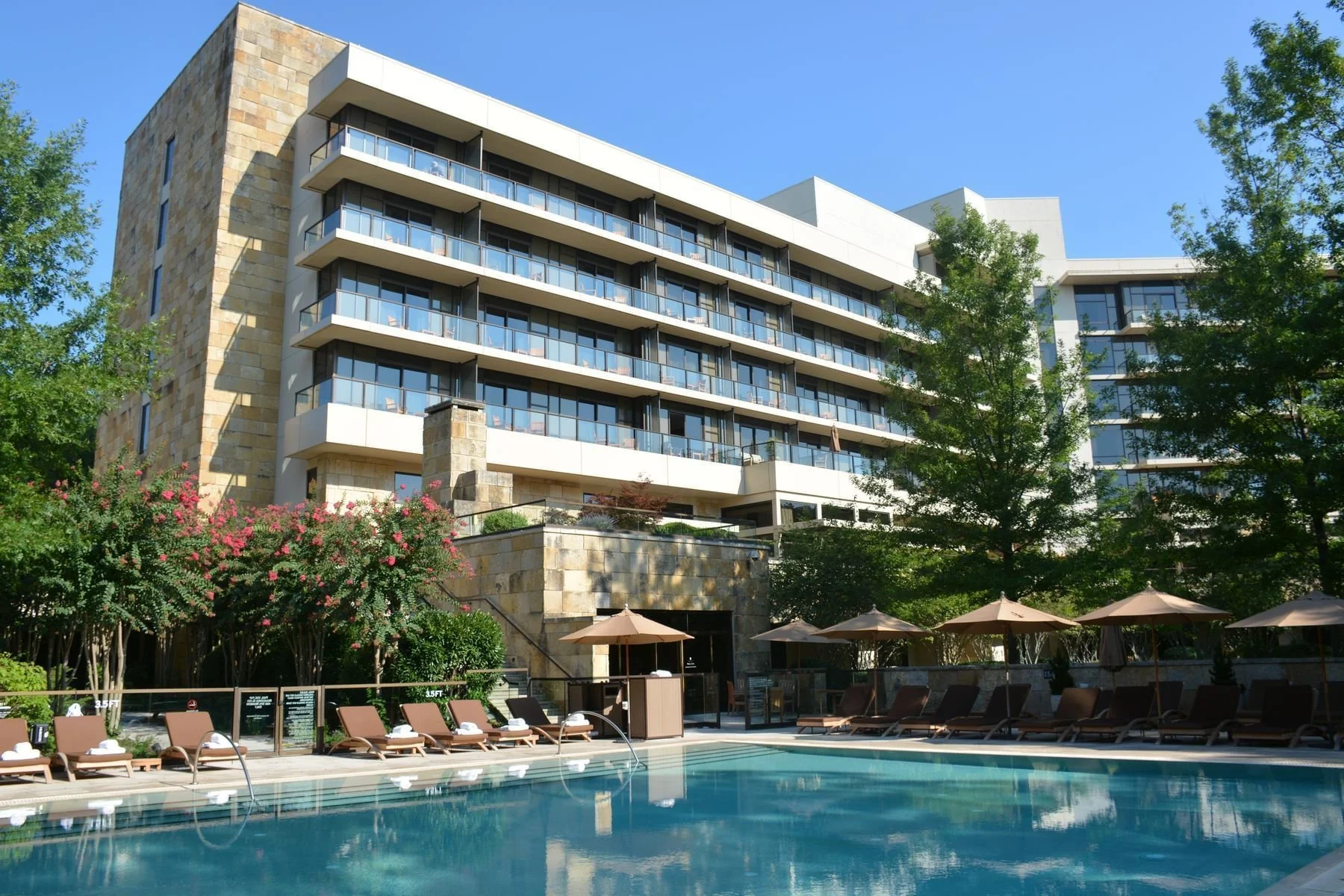
There's really only one true five-star hotel in the area: The Umstead Hotel and Spa in Cary, about ten to fifteen minutes from downtown Raleigh. It's an incredible property, sitting on 12 acres right next to William B. Umstead State Park, with a Forbes Five-Star restaurant, a four-star spa, and 150 rooms and suites. But it's also the only place like that around here. So if a hotel staycation with a rooftop bar, room service, and the full spa treatment is your love language, Raleigh is still pretty limited.
Same story with high-end shopping. There's no Tiffany & Co., no Gucci, no Cartier store in town. For some people, that's a real downside. For my credit card, honestly, it might be a blessing in disguise.
I do think this changes eventually. But right now, that gap is very real.
The Transit and Walkability Gap
Alright, the last trade-off. Raleigh was built around cars, and you feel that almost right away.
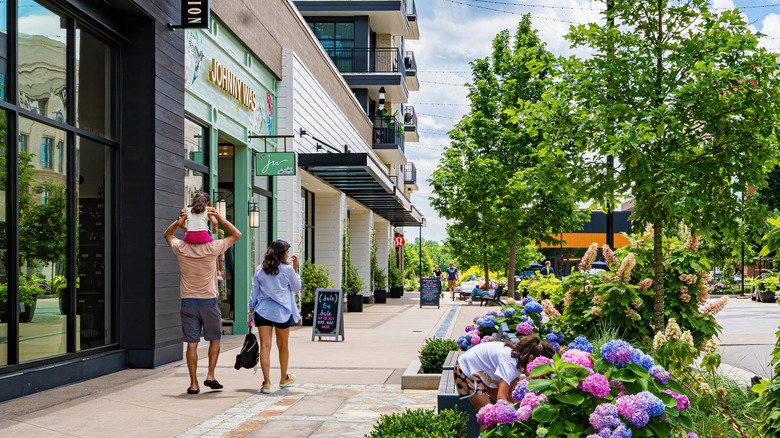
Some neighborhoods should feel way more walkable than they do, and then the sidewalk just ends. Or you're walking along a bigger road and it feels way less comfortable than it should. The city knows this is a problem. There are projects happening right now through the pedestrian program, and they're updating the city's long-term walking plan. But the city is growing faster than the sidewalks are.
Construction has already started on the first phase of Raleigh's bus rapid transit system along New Bern Avenue. This is the first BRT system in North Carolina, and there are three more routes planned after it. But here's the catch: full service for all four lines isn't expected until around 2035. That's still a long way off.
Right now, living in Raleigh without a car is harder than it should be. If you're moving from a place where you walked everywhere or hopped on a train without a second thought, this is going to be a real adjustment. Not necessarily a dealbreaker, but definitely something to know going in.
Which brings us to who Raleigh is actually a great choice for, because this city is definitely not for everyone.
What Type of Person Should Move to Raleigh?
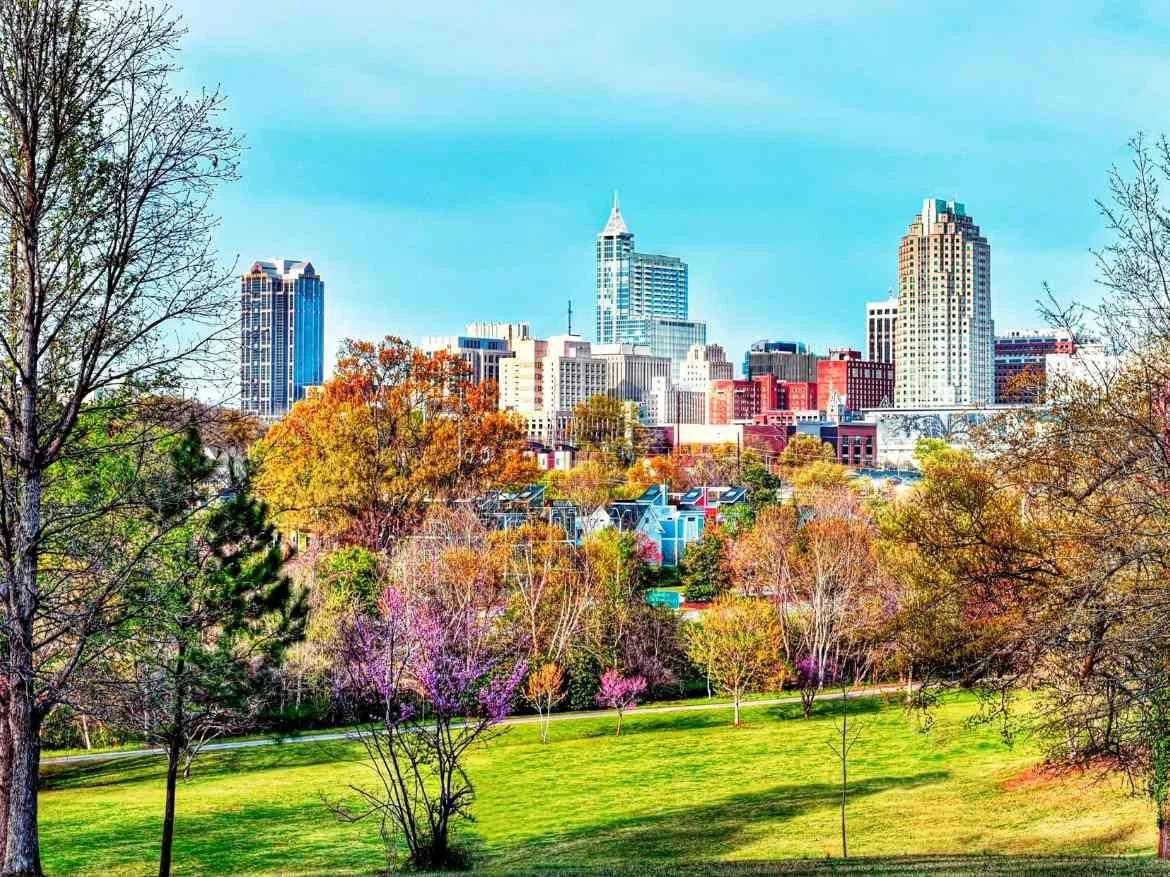
The honest answer is a pretty wide range of people, and for very different reasons.
Career-focused professionals do really well here, especially if you care about opportunity relative to what life actually costs. Like I said, there are major employers across a bunch of different industries, so this isn't a one-industry town.
Transplants also tend to find community faster than they expect. Between the brewery scene, the food, Hurricanes fans, festivals, and just neighborhood life in general, people usually find their circle quicker than they think they will.
Families with kids are another big one. Wake County has one of the biggest school districts in the country, with multiple schools here holding strong national rankings. That's a bigger deal than it sounds at first.
Retirees and near-retirees have a lot to like too. The healthcare access is genuinely strong, with WakeMed, UNC Rex, and Duke all close by, and property taxes here tend to feel a whole lot better for people coming from the Northeast.
Raleigh is also great for anyone who just wants an easier life. The day-to-day friction here is lower. If you've spent years somewhere it felt like you were always sprinting just to keep up, and you're ready to actually enjoy your life a little more, this city is worth a serious look.
Now, Raleigh is not perfect for everyone. If you need transit, if walkability is a must, or if luxury shopping and a bigger hotel scene really matter to you, be honest with yourself about that. But for the right person, Raleigh gives you a mix that's genuinely hard to find anywhere else right now.
And if you're wondering what this place looks like in five or ten years, that's where it gets really exciting.
How Raleigh Could Be Better?
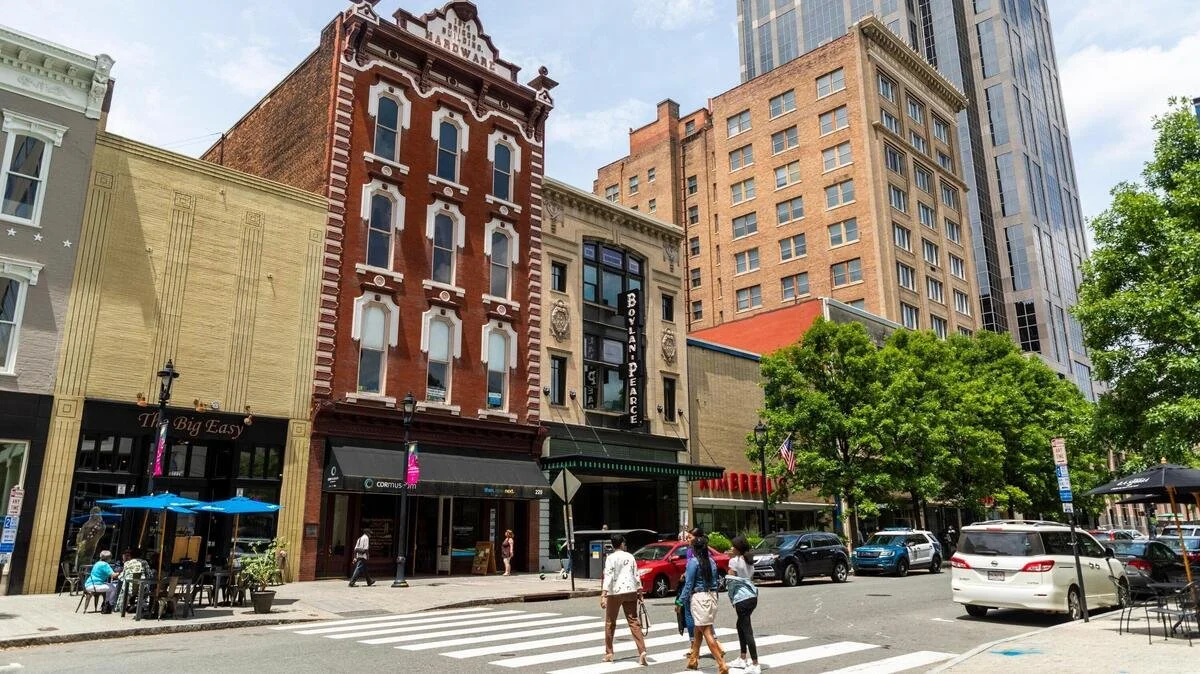
Pedestrian Infrastructure and True Walkability
I'll say this plainly, because I think it's fair.
Spend a weekend in Glenwood South or downtown, and Raleigh can feel really walkable. Then you drive twenty minutes in almost any direction, and that feeling changes fast. There are real pockets of walkability here, like Glenwood South, downtown, the Village District, and parts of Five Points. But once you get outside those areas, you notice pretty quickly that Raleigh was built around cars. Sidewalks suddenly stop, major roads have no safe places to cross, and a lot of areas were clearly designed for traffic, not people walking.
If you want to get around mostly on foot, this probably isn't going to be the spot for you.
Public Transit
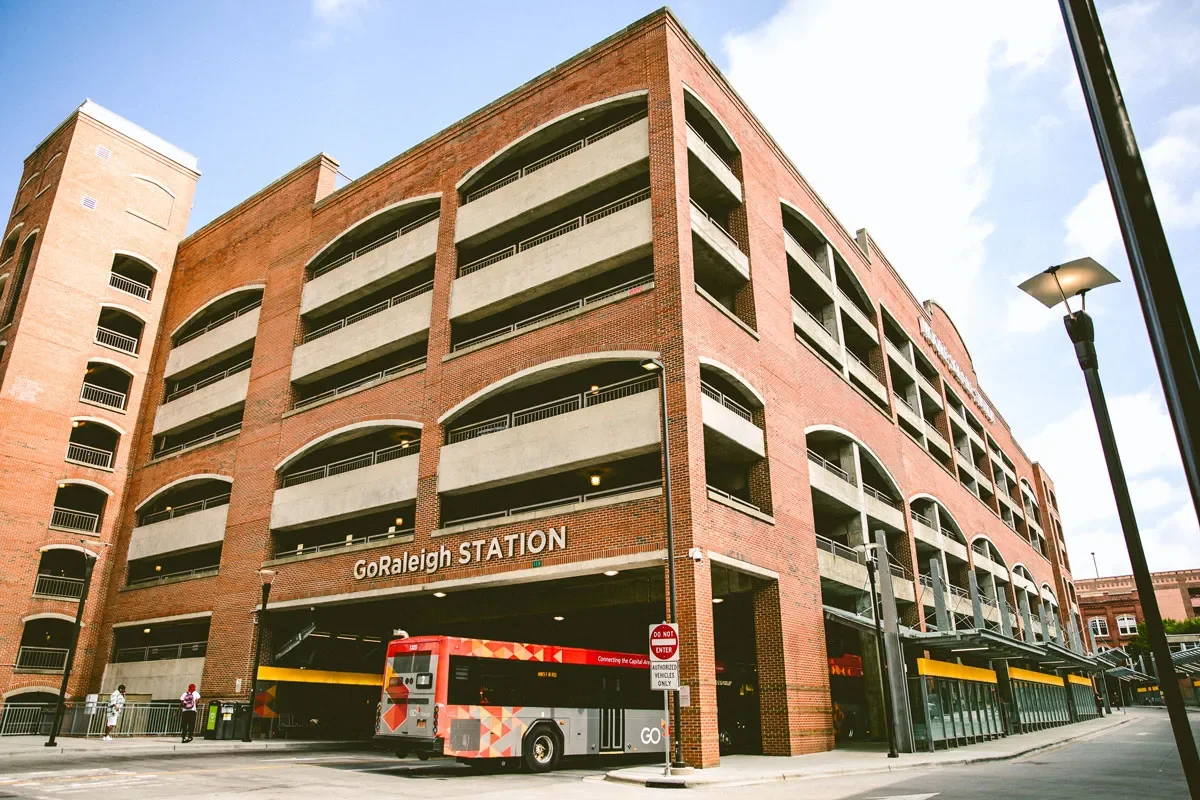
There's progress happening on transit, and I want to give credit where it's due. The bus rapid transit line on New Bern Avenue is real, and the larger Wake County Transit Plan is a big investment voters already approved. That's great.
But the full system isn't expected to be done until around 2035, and for a city growing this fast, that's a long time. More people, more restaurants, more development, more neighborhoods every year, and you still need a car for almost all of it. The progress is real. I just wish it were happening faster.
The Restaurant and Retail Momentum
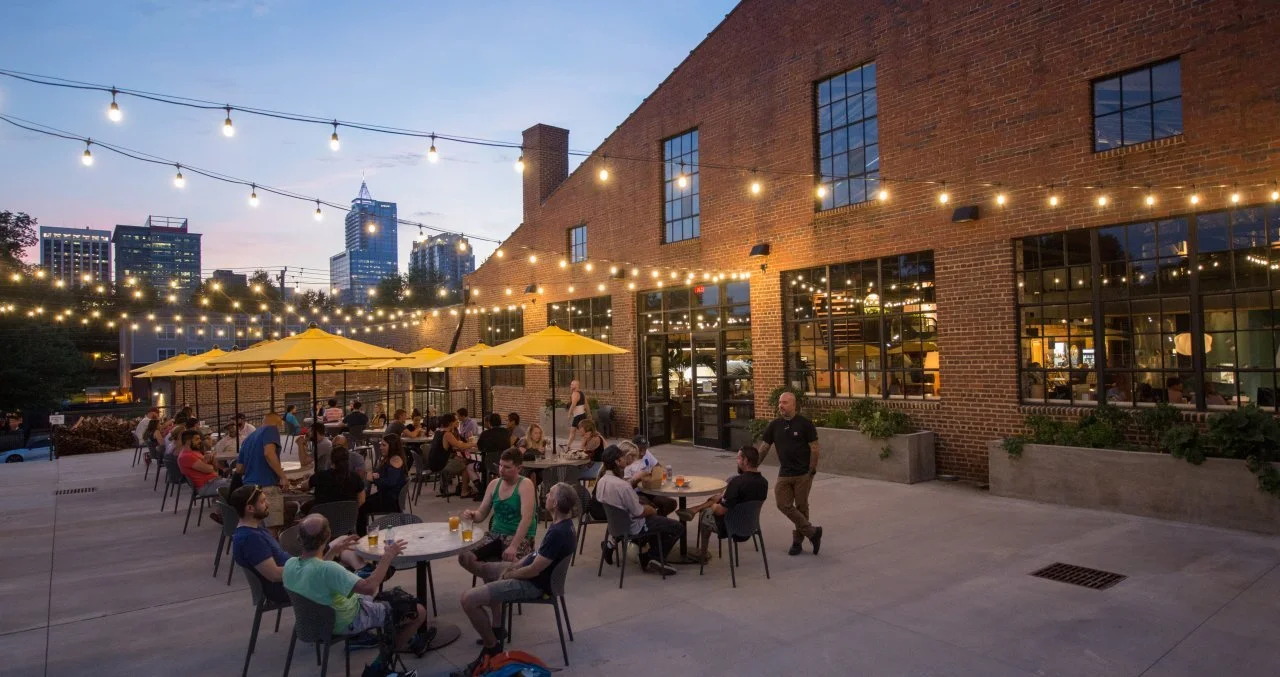
This part is changing faster than anything else. The number of new restaurants, bars, shops, and mixed-use projects coming to Raleigh right now is honestly pretty amazing. The city is moving in the right direction. It just takes time.
And speaking of what's coming, let me tell you where Raleigh is headed next, because this is genuinely the most exciting part.
The Future of Raleigh
Raleigh's future looks expensive and exciting at the same time.
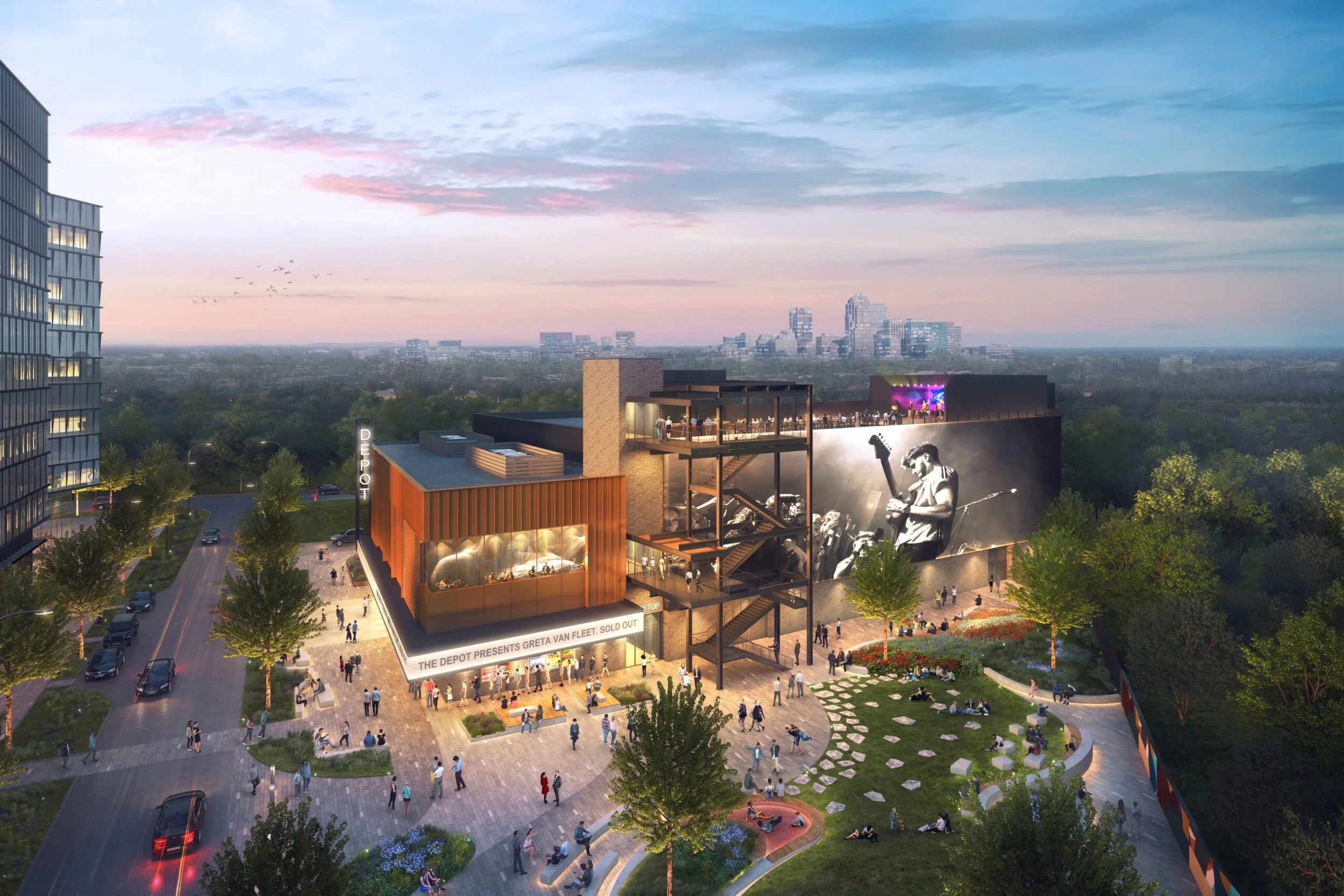
Downtown South
There's a project everyone in Raleigh is talking about: Downtown South. It's a multi-billion-dollar development planned on about 140 acres just south of downtown near South Saunders Street and I-40.
Developer John Kane said in February of this year that construction could start before the end of 2026. The biggest piece is a new soccer stadium with 12,000 to 15,000 seats, being built with Steve Malik, who owns the North Carolina Courage. The first phase also includes offices, shops, and restaurants, and over time, the plan is to build out a huge entertainment and residential district that stretches downtown farther south. This isn't a small project. It's the kind of thing that changes what a city feels like.
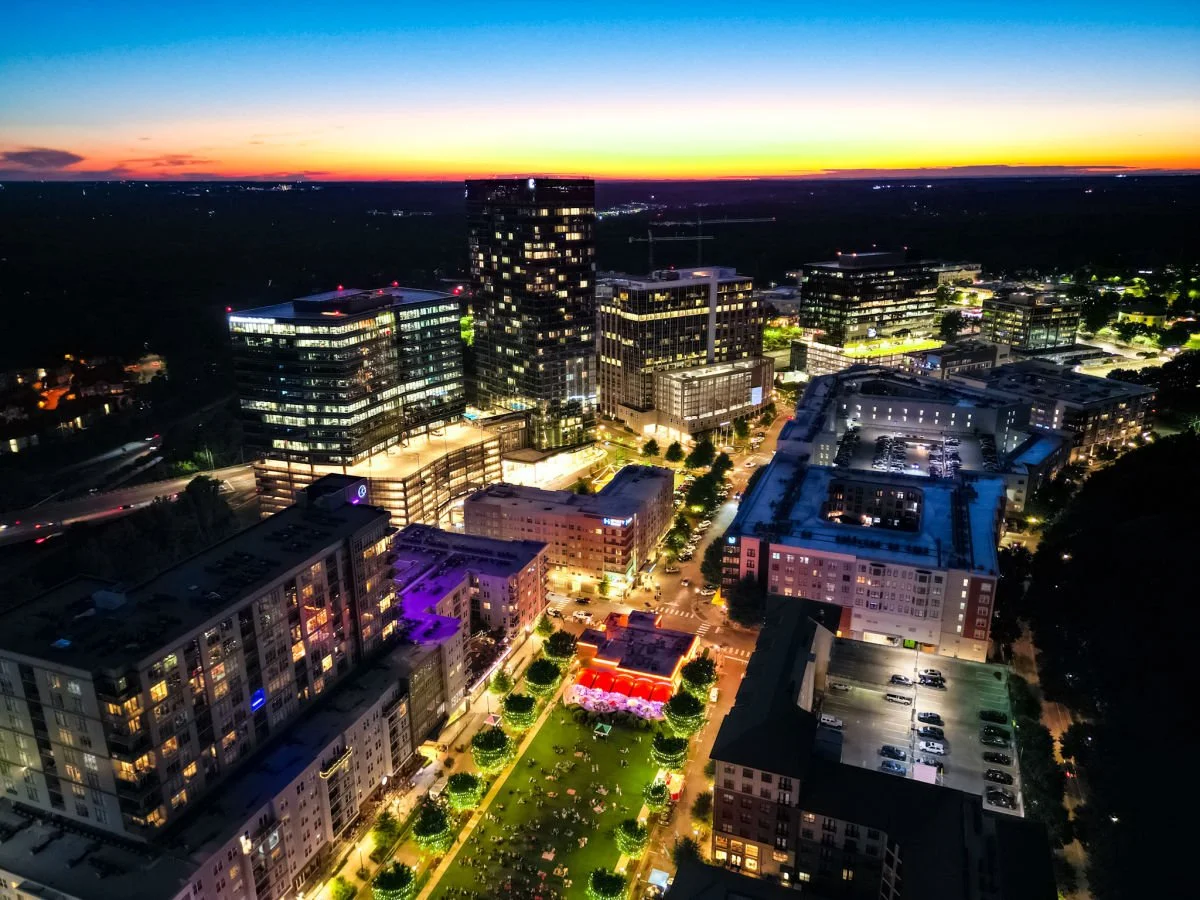
North Hills, a.k.a. Raleigh's Midtown Is Growing Up
North Hills sits between downtown and North Raleigh, and it's already the city's most successful mixed-use district. Now it's getting even bigger. Kane Realty Corporation is building out the North Hills Innovation District across 33 acres, with new offices, apartments, and more shops and restaurants at street level. Construction is already happening on Tower 5 and St. Albans Lofts, a luxury apartment building with retail on the ground floor. Another future project, Tributary, will add a residential high-rise above even more retail space.
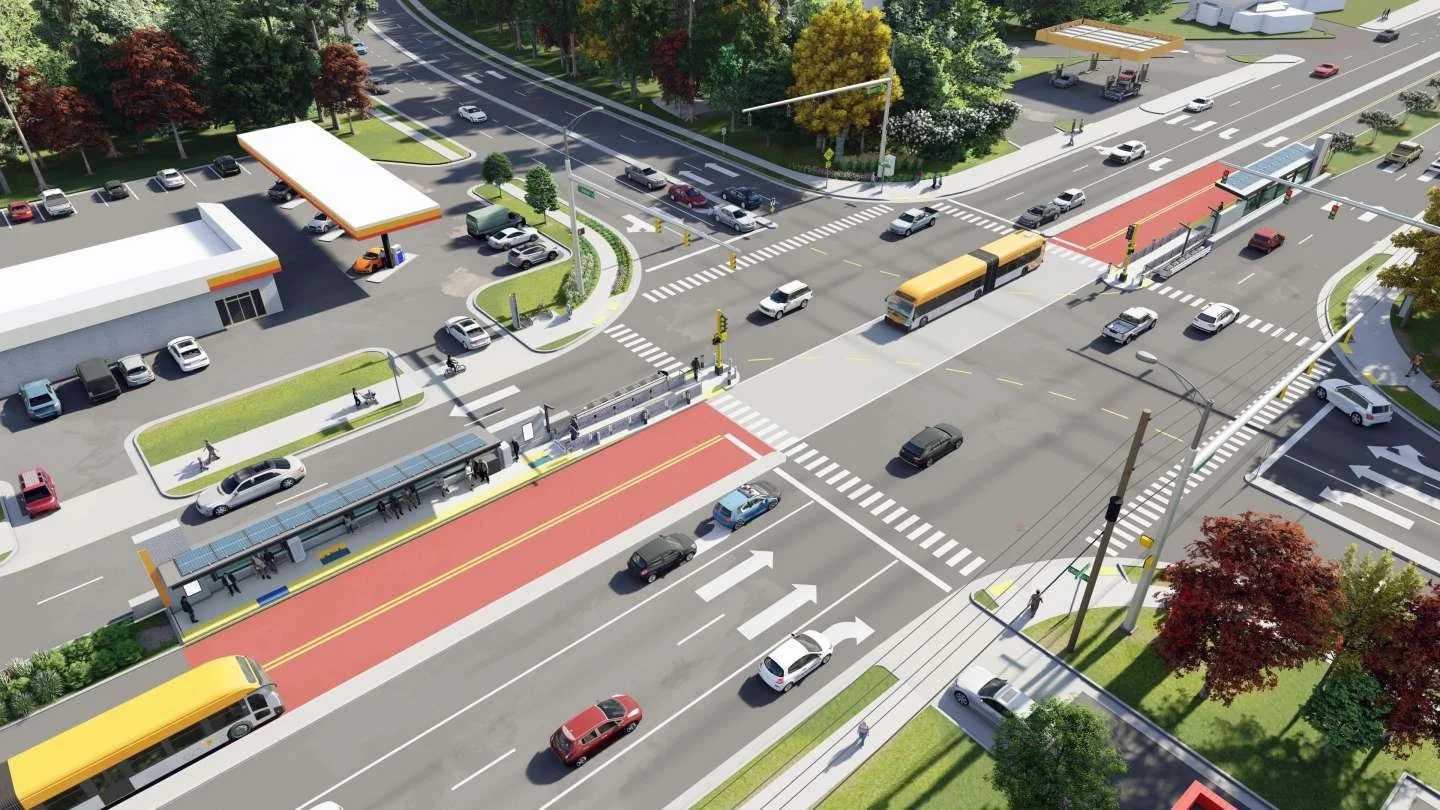
Bus Rapid Transit
Construction has officially started on the first BRT line along New Bern Avenue. It's the first project like this anywhere in North Carolina, and three more lines are already being planned. It's taking longer than a lot of people would like, but the important thing is, this isn't just talk anymore.
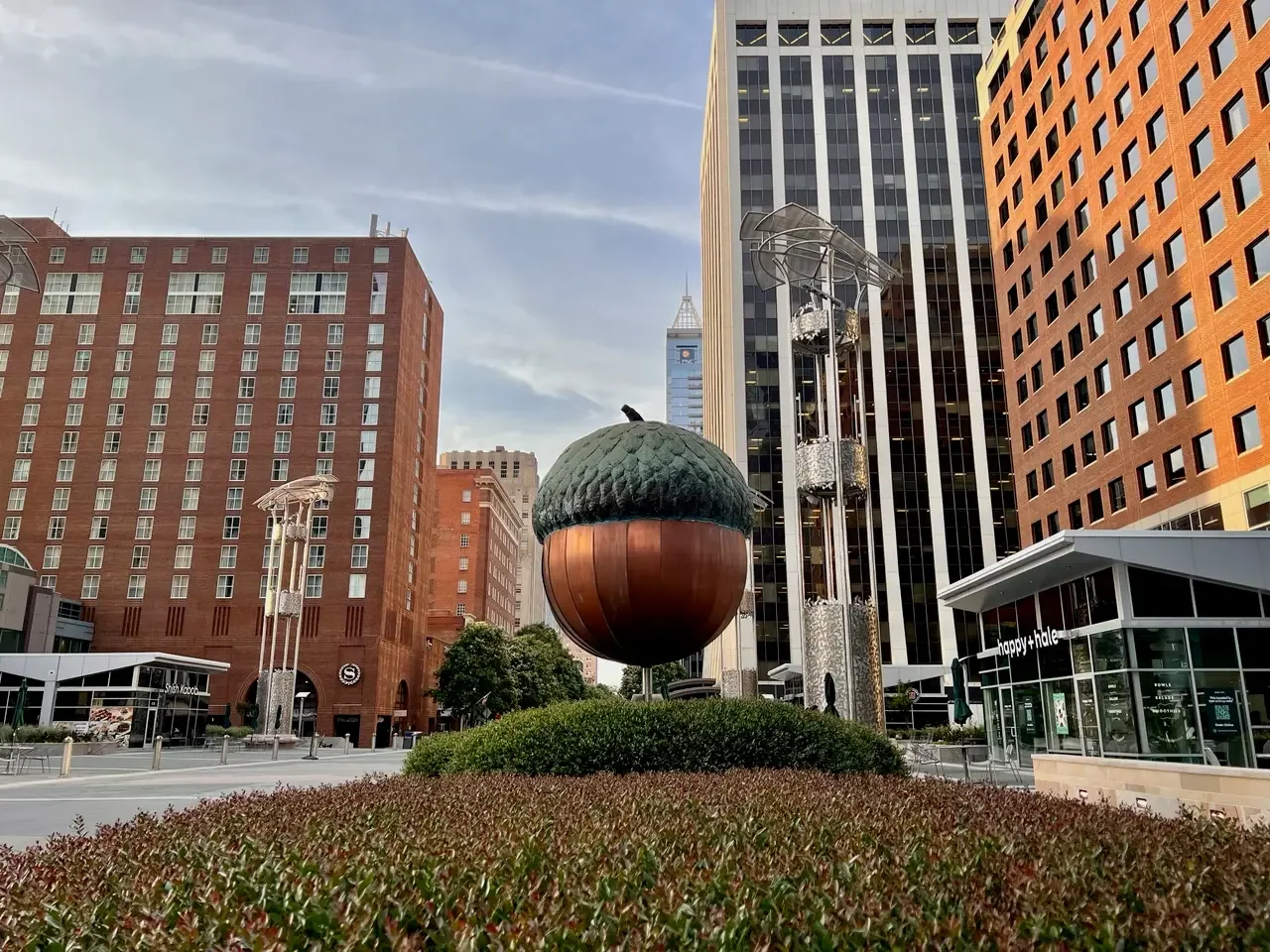
The Growth Won't Stop
Raleigh has been one of the fastest-growing big cities in the country for years, and I don't see that slowing down anytime soon. The cost of living is still lower than places like Washington, New York City, San Francisco, and Boston, and because of that, people keep moving here. According to Redfin, those are still some of the top cities people are moving from.
Raleigh in 2030 is going to feel very different from the Raleigh you see today, and I genuinely think that's a good thing.
If you're thinking about moving here, I do think there's still a window. Not fake urgency, just the reality that this city is changing fast, and the version that's coming is going to be even better.
The Bottom Line
Eight years in, and I'd make the same choice again, because Raleigh doesn't just check boxes. It actually delivers on them in a way that very few cities at this price point can.
If you're seriously weighing this move and want to talk through what neighborhood fits your life, reach out to me directly. Helping relocators get clear on where they belong in this market is what I do every day, and I'd love to help you get it right.
Thanks for reading, and I'll see you in the next one. 🏡
