
Avoid These New Construction Homes in Raleigh, NC
Buying a brand-new home in Raleigh sounds perfect.
Modern floor plan, low maintenance, energy-efficient, and nothing to fix.
But if you walk into a model home unprepared, you could make a mistake that costs you tens of thousands or locks you into a contract that protects the builder, not you.
So keep reading as I break down the 9 traps people fall into when buying new construction, and how to avoid all of them.
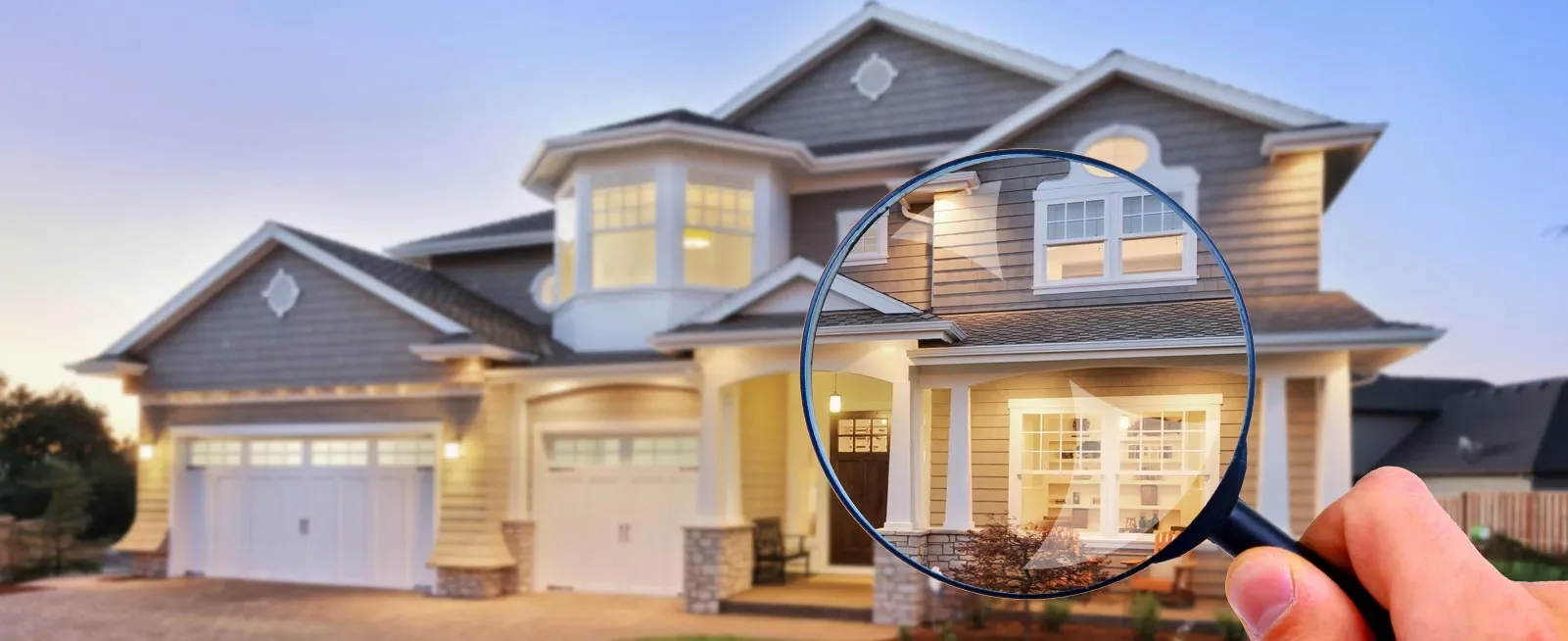
Trap #1: "It's New, So It Doesn't Need Inspecting."
Here's what shocks most buyers: that brand-new home you're about to close on is a field day for independent inspectors. They’ll find issues every single time.
Foundation cracks, uneven floors, sticking doors, and windows. All of those little things that aren’t easy to spot, but that can add up and make the renovations quite expensive.
In Raleigh specifically, I see grading problems that lead to water pooling near the foundation.
Shoddy drywall and paint finishing in high-volume communities where builders are rushing deadlines. HVAC duct leaks. Sloppy insulation work. Rushed framing. And poor slab finishing on sites where they're building 20 homes at once.
A typical home inspection costs between $400 and $1,000, which is nothing compared to discovering a $10,000 foundation issue after you've already closed. The worst part: the fine print protects the builders, not you.
So the smart move instead: Always get a pre-drywall inspection before they close up the walls. Then get a full home inspection before closing. And do a final walkthrough with a detailed punch list.
For certain communities with older infrastructure or known drainage issues, consider adding a sewer scope inspection.
Skipping inspections means trusting the builder's quality control team to catch everything. And their job is protecting the builder's timeline, not your investment.
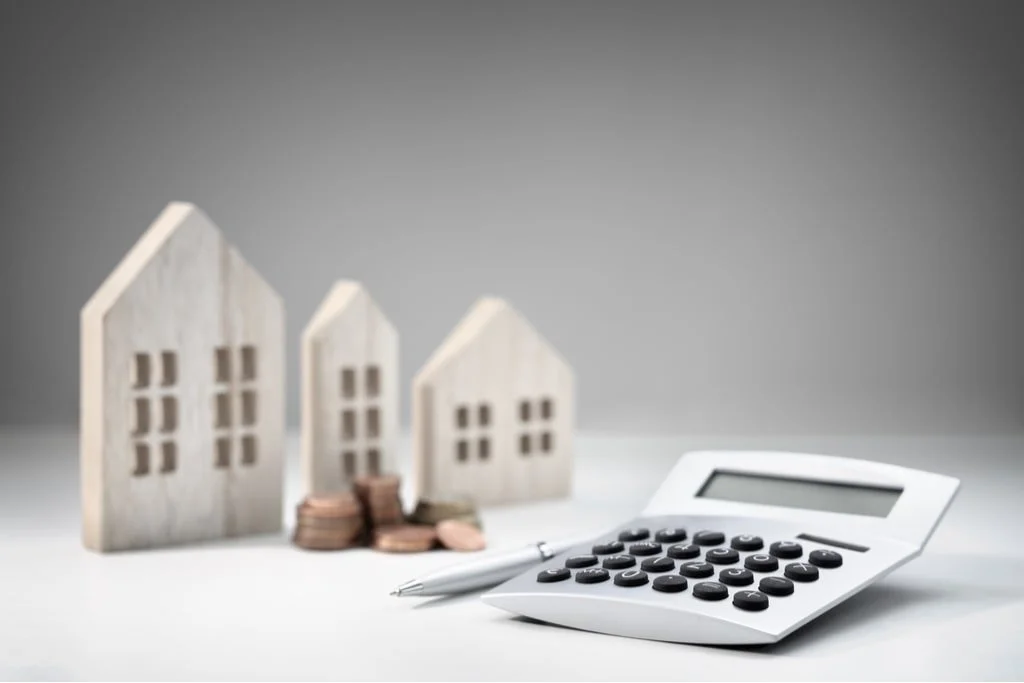
Trap #2: HOAs, Metro Districts & Hidden Monthly Costs.
Nearly 72% of home listings in the Raleigh metro area come with HOA fees, with a median monthly cost of around $125. But those fees can range anywhere from $100 to well over $1,000 per month, depending on the community.
Then you've got metro districts or special tax districts, amenity fees, required cable packages, and lot premiums that aren't advertised upfront.
Here's a real example. You find a home listed at $464,000. But the HOA is $200, the metro district adds $150, and there's a $75 amenity fee. That's an extra $425 per month, or $5,100 per year, that wasn't in your initial budget.
So, how can you avoid this?
Ask me to pull all the HOA documents, metro district taxes, and calculate your total monthly payment. That includes PITI, HOA, metro district, and utilities. Do all of that before you fall in love with a house.
It’s my job to make sure you get the best deal, alright? I’d be happy to help you.

Trap #3: The Builder's Sales Agent Works for the Builder.
The friendly agent in the model home who's helping you pick out your dream floor plan works for the builder, not you.
They’re just doing their job, but most of the time, they’re going to prioritize profit, you know how it is.
Builders won't tell you that the price is negotiable, that incentives vary week to week, that contract timelines are flexible for them but locked in for you, that deposits may be non-refundable, or that inspection rights vary builder to builder.
So what’s the smart move? Give me a call and bring me before you step foot in a model home. You don't pay my fee. The builder does.
I know which builders are offering the best incentives, which communities have better build quality, what's negotiable, and I can review the contract before you sign.
This matters because those incentives they're advertising just aren't as good as they look. And understanding how they actually work could save you from going underwater on your mortgage.
Trap #4: Incentives Look Amazing But Aren't.
You'll see rate buydowns, closing cost credits, and design center promos plastered all over the sales office. These sound incredible on paper.
But you must use their preferred lender to get the incentive. Their lender fees often cancel out the "discount."
And communities just 10 minutes apart may offer double the incentive depending on what inventory they're trying to move. Here's where lot selection becomes critical, and we'll cover this more in depth when we get to trap eight, but certain lots come with hidden premiums that eat into these “so-called savings”.
Let’s say a builder offers you a 2-1 rate buydown and $10,000 in closing costs. But their lender is charging $8,000 in fees. Your actual net benefit is only $2,000, not $10,000. It’s almost a scam.
Instead, have me compare incentives across multiple builders, get lender quotes from both the builder's lender and independent lenders, and watch timing. Builders push incentives hard at phase closeouts and the end of the quarter.
Even with the best incentives, there's another problem nobody warns you about, but that’s what I’m here for. Watch out for the timeline they promise.
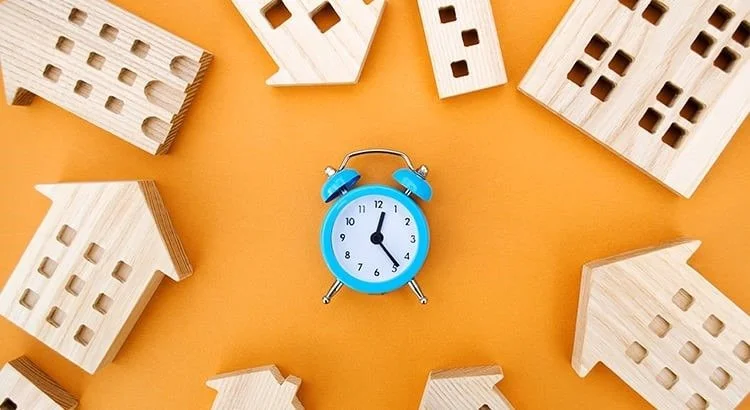
Trap #5: Build Times Are Longer Than Buyers Expect.
The average new home construction in Raleigh takes between 9 and 12 months. But delays are extremely common.
Raleigh has a huge demand for housing and a significant shortage of skilled labor in North Carolina's construction trades. Add weather delays and supply delays with windows, trusses, and trades bouncing between sites.
I've seen buyers sell their current home, expecting to close in October, only to find out in September that the house won't be ready until January.
Now they need temporary housing for four months.
Your smart buyer move: Build in a 60-day buffer beyond what the builder promises, stay flexible with your timing, and plan temporary housing if needed.
And remember the builder's contract protects them from delays, not you.
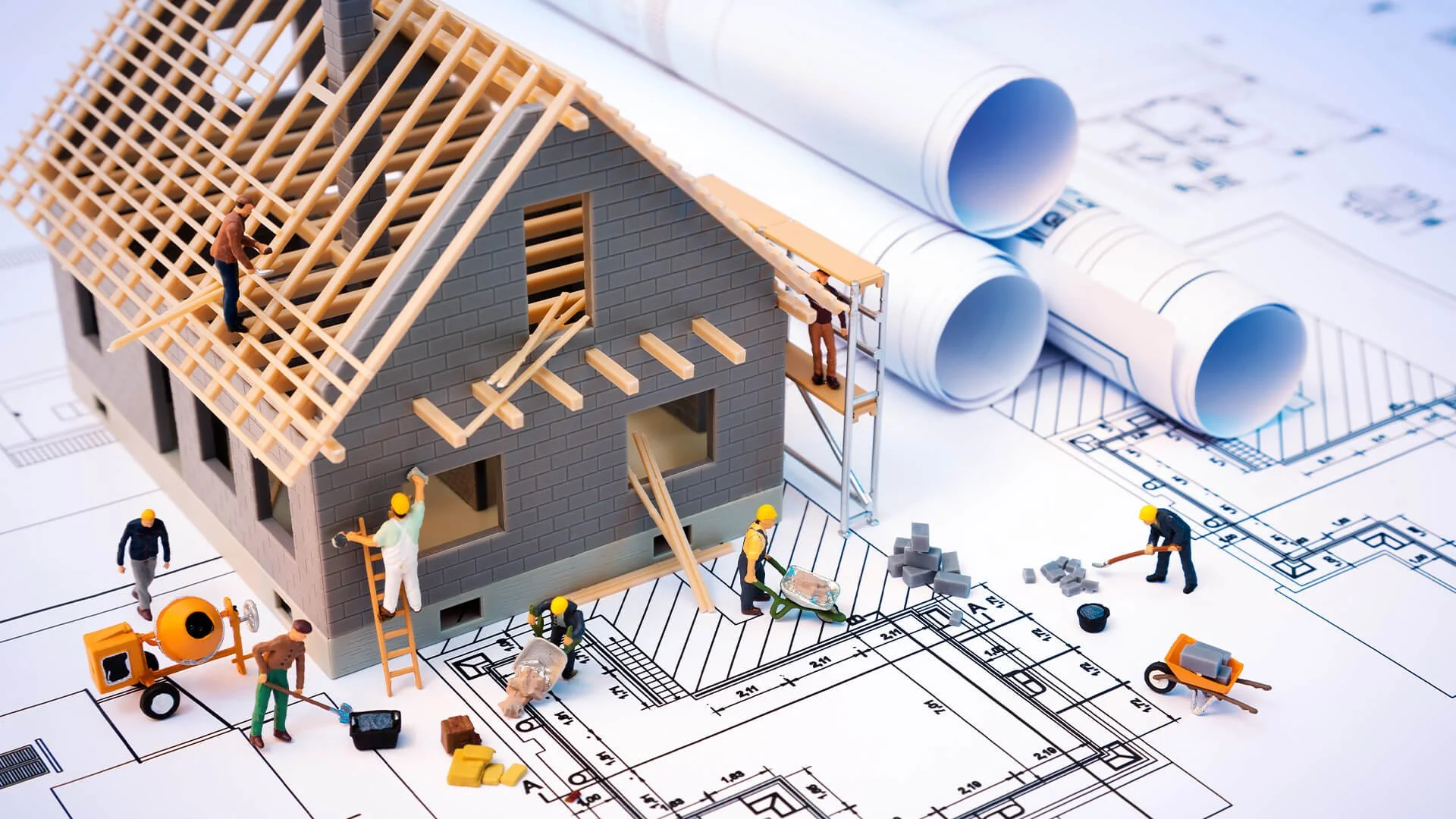
Trap #6: Builder A in Cary Doesn't Equal Builder A in Clayton
You might hear that XYZ Builder has a great reputation and assume every home they build will be high quality. But quality varies because some superintendents are elite and others are overwhelmed.
Some communities are rushed to meet investor deadlines. Some phases use different subcontractors. And warranty teams differ between divisions of the same company.
I've worked with buyers who built with the same builder in two different communities, and the experience was night and day.
One superintendent was on site daily, communicating proactively and fixing issues immediately. The other was juggling five communities and barely responded to emails.
Your smart buyer move: Judge the superintendent and past communities, not the brand logo. Ask to see other homes that the specific superintendent has built and drive through completed phases in that community.
Trap #7: The Design Center Can Destroy Your Budget
Walk into any builder's design center, and you'll see why buyers routinely overspend on things with terrible ROI.
Common upsell traps include flooring upgrades, quartz counters, cabinet upgrades, electrical packages, shower upgrades, and exterior elevations. The design center is beautiful. Everything looks amazing. And the sales team is trained to get you excited about upgrades. That’s how they get you.
Structural upgrades like additional bedrooms, extra bathrooms, or an expanded kitchen tend to add value. When done right, a minor kitchen remodel has an average ROI of 113%.
But custom backsplashes, bold paint colors, and trendy fixtures have poor returns. An upscale major kitchen remodel only yields a 36% return.
Not only do those upgrades inflate your purchase price, they also rarely increase your appraisal value. This matters when we compare new construction to resale.
So your smart buyer move here is: Ask me which upgrades are must-haves, nice to haves, and never worth it before you go to the design center.
For cosmetic stuff, consider doing it yourself after closing. You'll save thousands. If it’s something simple, like painting, it can even be a fun activity to do on a weekend, depending on the room’s size.
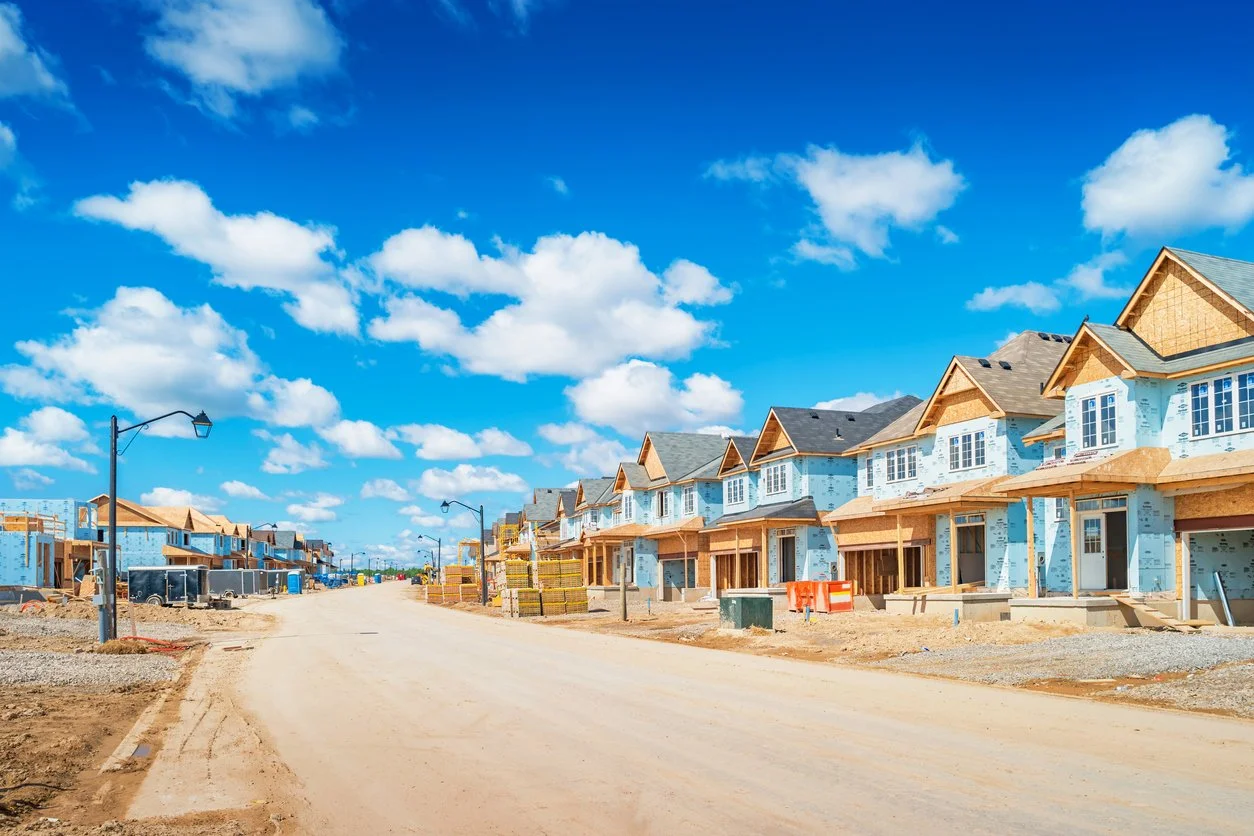
Trap #8: The Wrong Lots Sit Forever
Your lot is just as important as your floor plan. In Raleigh, certain lots sit on the market forever for a reason.
Buyers avoid lots backing to main roads because of noise and traffic. Lots near power lines. Sloped lots with drainage issues. Lots with bad sun orientation where your backyard gets no shade in Raleigh summers. And lots with no privacy where neighbors can see directly into your home.
I've seen buyers fall in love with a floor plan and pick whatever lot is available, only to realize later that they're backing up to a major highway or sitting in a low spot where water pools.
Now, you don’t want to be that buyer. You want to be the smart buyer.
Here’s how you should move: Pick the lot first, then the floor plan. Walk the lot at different times of day. Pay attention to drainage, sun orientation, and privacy. If a lot is priced way lower than others, ask why. There are a million reasons why a lot might drop in price, and most of them aren’t good.
The wrong lot can tank your resale value, is another thing that smart buyers think about.
Trap #9: New Construction Isn't Always Cheaper
Most people assume new construction is always more expensive than resale.
But new construction homes in Raleigh average $464,075, compared to a median resale price of $475,000. On the surface, new construction is $11,000 cheaper.
In Cary, Apex, and Holly Springs, the resale market is hot with homes in established neighborhoods with mature trees and great schools. You might get more home for your money going resale.
In Fuquay, Clayton, and Zebulon, there's a high supply of new construction, which means builders are offering aggressive incentives.
Your smart buyer move: Compare the total cost. New construction price plus incentives plus rate buydowns plus closing costs versus a resale home in a similar location with similar features, factoring in appreciation potential.
Sometimes the new build is smarter because you get exactly what you want, modern systems, and builder warranties. Sometimes the resale is smarter because you get more home, a better location, and an immediate move-in.
It’s all about what works best for you.
Conclusion
Buying new construction in Raleigh can be an amazing experience if you avoid these traps. Most of my buyers end up saving money, getting the right upgrades, and avoiding builder mistakes because they had someone guiding them from day one.
If you want help comparing builders, picking the right community, or avoiding costly mistakes, reach out! All of my info is down below. I would love to help you make a smart new construction decision.
And if you're curious about which Raleigh neighborhoods would be the best fit for you, take my neighborhood matchmaker quiz!
Call or Text: 630- 721-7501
